
Bachelor of Information Technology - College of Engineering and Smart Computing
Bachelor of Information Technology in Yemen
The Bachelor of Information Technology (IT) at Modern Specialized University is a comprehensive technology-focused degree designed to prepare students for careers in the rapidly evolving digital economy. The program combines programming, databases, computer networks, information security, software development, operating systems, cloud computing, web technologies, and information systems to equip graduates with the knowledge and practical skills needed to design, develop, manage, and implement effective technology solutions.
The Bachelor of Information Technology program is offered by the College of Engineering and Smart Computing at Modern Specialized University (MSU). The program provides students with a balanced academic and practical education, beginning with the fundamentals of computing and information technology and progressing to advanced and applied areas such as software development, database design and administration, computer networks, cybersecurity and information security, operating systems, cloud computing, web application development, systems analysis and design, mobile application development, and IT project management.
Throughout the four-year bachelor’s degree, students develop the ability to analyze technical and organizational problems, design information systems, develop software applications, manage networks and databases, support IT infrastructure, apply information security principles, and use modern technologies to create practical digital solutions. The program also emphasizes hands-on learning, practical training, specialized laboratories, field experience, and applied projects, helping students transform theoretical knowledge into professional skills.
Graduates of the Bachelor of Information Technology in Yemen can pursue diverse career opportunities in software development, web development, database administration, network administration, systems administration, IT support, information security, cloud computing, systems analysis, and other technology-related fields. They can work across a wide range of sectors, including government institutions, private companies, banks and financial institutions, telecommunications, education, healthcare, organizations, and digital businesses. Graduates may also continue their education through postgraduate studies or strengthen their professional qualifications through industry-recognized certifications.
The program also provides a foundation for students who wish to develop specialized careers in emerging technology fields such as Cybersecurity, Artificial Intelligence, Data Analytics, Cloud Computing, Software Engineering, and Internet of Things (IoT). Through its connection with the Artificial Intelligence program and the broader technology-focused environment of the College of Engineering and Smart Computing, students can gain awareness of how intelligent and emerging technologies are increasingly being integrated into modern IT solutions.
By combining academic knowledge, practical training, technical projects, and professional skills, the Bachelor of Information Technology at Modern Specialized University aims to prepare graduates to meet the evolving needs of the Yemeni and global digital labor markets and contribute to digital transformation and technology-driven development.
Information Technology Program – Modern Specialized University
-
About Program
-
Program Vision, Mission and Goals
-
Program Learning Outcomes
-
Program Graduated Jobs Opportunities
-
Program Study Plan
Information Technology Program Information
| Item | Details |
|---|---|
| University | Modern Specialized University |
| College | College of Engineering and Smart Computing |
| Program | Bachelor of Information Technology |
| Degree | Bachelor’s Degree |
| Duration | 4 years – 134 credit hours |
| Academic System | Two semesters per academic year |
| Language of Instruction | Arabic / English, depending on the course |
| Admission Requirement | 65% |
| Study Mode | On-campus |
| University Location | Sana’a, Republic of Yemen |
Information Technology Program – Vision, Mission and Educational Objectives
Vision
To become a leading program that offers high-quality education and supports scientific research in Information Technology.It will help community development and advance the knowledge-based economy.
Mission
To provide high-quality education that meets quality standards and accreditation requirements. We equip students with IT knowledge and professional skills. This helps them meet the needs of society and the job market.
Educational Objectives
The educational objectives of the Information Technology Program are to:
Provide high-quality, integrated education that prepares graduates for many career paths in Information Technology.
Develop qualified and competent Information Technology professionals capable of analyzing and evaluating the technological needs of organizations and providing appropriate solutions.
Foster a culture of innovation, creativity, and ethical conduct among students in the field of Information Technology.
Develop students’ skills to communicate well. Help them work together as a team. Encourage ongoing, self-directed learning.
Conduct meaningful projects and scientific research that contribute to addressing community needs and supporting sustainable development.
Information Technology Program – Learning Outcomes
Upon completion of the Information Technology Program, graduates will be able to:
CLO1 – Apply problem-solving skills, fundamental Information Technology concepts, effective IT practices, and professional standards.
CLO2 – Analyze and recommend appropriate Information Technology infrastructure required for project implementation.
CLO3 – Demonstrate the theoretical background necessary to pursue postgraduate studies at the graduate level.
CLO4 – Communicate effectively, both in written and oral forms.
CLO5 – Demonstrate the ability to participate effectively in the planning and implementation of team-based projects.
CLO6 – Explain and evaluate the impact of Information Technology solutions within global, societal, and ethical contexts.
CLO7 – Design, develop, and test software systems for global computer networks to provide solutions to real-world problems.
CLO8 – Keep up to date with the latest developments and emerging trends in the field of Information Technology.
CLO9 – Apply practical skills that are aligned with labor market and professional requirements.
CLO10 – Demonstrate broad knowledge and understanding across the field of Information Technology.
Career Opportunities for Information Technology
After completing the Information Technology Program, graduates can pursue careers in a wide range of sectors, including:
Software and IT companies. Telecom companies. Banks and financial institutions. Hospitals and healthcare organizations. Universities and schools. Government institutions. Commercial and industrial companies. Digital transformation organizations.
| Job Title | Field |
|---|---|
| Software Developer | Software Development and Programming |
| Web Developer | Web Development |
| Database Administrator | Database Management |
| Network Administrator | Computer Networks |
| Systems Administrator | IT Systems and Administration |
| Information Security Specialist | Information Security |
| Cloud Computing Specialist | Cloud Computing |
| Systems Analyst | Systems Analysis and Design |
| IT Support Specialist | IT Support |
| IT Project Manager | Information Technology Project Management |
| Mobile Application Developer | Mobile Application Development |
| ERP Specialist | Enterprise Resource Planning (ERP) |
Study Plan for the Bachelor of Information Technology Program
The Bachelor of Information Technology (IT) program at Modern Specialized University follows the approved study plan for the Bachelor of Information Technology program in the Republic of Yemen. The curriculum is structured over four academic levels, with two semesters per academic year, providing students with a progressive learning pathway that begins with fundamental computing and academic skills and advances toward specialized Information Technology courses, practical training, applied projects, and graduation requirements.
The first level provides students with the academic and technical foundations required for further study. Core courses include Islamic Culture, Arabic Language, English Language, Mathematics, Computer Fundamentals, Communication Skills, and Computer Programming. These courses help students develop essential academic, analytical, and computing skills before progressing to more specialized IT subjects.
The second level introduces core Information Technology disciplines, including Database Systems, Computer Networks, Object-Oriented Programming, Discrete Mathematics, Visual Programming, Information Security, Computer Organization and Architecture, Probability and Statistics, Operating Systems, Systems Analysis and Design, Fundamentals of Artificial Intelligence, Data Structures and Algorithms, Cybersecurity, and Web Design.
At the third level, students advance into more applied and professional areas of Information Technology. The curriculum includes Web Development, Software Engineering, Mobile Application Development, System and Network Administration, Network Security, Database Administration, Enterprise Systems, Cloud Computing, Multimedia Technology, Business Management, Human-Computer Interaction, Project Management, Research Methods, and Field Training. These courses are designed to strengthen students’ ability to analyze, develop, manage, and implement IT solutions in practical environments.
The fourth level focuses on professional development, advanced applications, and graduation requirements. Students complete Information Technology Management, Computer Ethics and Law, Wireless Networks and Mobile Computing, elective courses, and the two-stage Graduation Project. The graduation project provides students with an opportunity to integrate the knowledge and practical skills developed throughout the program to address a real or applied Information Technology problem.
Overall, the study plan combines theoretical knowledge, practical skills, laboratory-based learning, field training, elective study, and project-based learning. This progressive structure prepares graduates for professional roles in areas such as software and web development, databases, networking and systems administration, information security, cloud computing, IT management, and technical support, while also providing a foundation for further specialization and professional development.
Download the Information Technology Study Plan
| المستوى الأول – الفصل الدراسي الأول | First Level – First Semester | |||||||
|---|---|---|---|---|---|---|---|
| م | ترميز المقرر Code/No | المقرر بالعربي | Course Title / English Name | C.H | Th | Pr | المتطلبات السابقة/المصاحبة Prerequisites/Co-requisites |
| 1 | الثقافة الإسلامية | Islamic Culture | 2 | 2 | – | ||
| 2 | مهارات اللغة العربية 1 | Arabic Language Skills 1 | 2 | 2 | – | ||
| 3 | اللغة الإنجليزية 1 | English Language 1 | 2 | 2 | – | ||
| 4 | الرياضيات 1 | Mathematics 1 | 3 | 2 | – | ||
| 5 | مقدمة في الحاسوب | Introduction to Computer | 3 | 2 | 2 | ||
| 6 | برمجة الحاسوب 1 | Computer Programming 1 | 3 | 2 | 2 | مقدمة في الحاسوب | |
| 7 | الرياضيات المتقطعة | Discrete Mathematics | 3 | 2 | – | الرياضيات 1 | |
| المجموع | 18 | 14 | 4 | 4 | |||
| المستوى الأول – الفصل الدراسي الثاني | First Level – Second Semester | |||||||
|---|---|---|---|---|---|---|---|
| م | ترميز | المقرر بالعربي | English Name | C.H | Th | Pr | المتطلبات السابقة/المصاحبة |
| 1 | مهارات اللغة العربية 2 | Arabic Language Skills 2 | 2 | 2 | – | مهارات اللغة العربية 1 | |
| 2 | اللغة الإنجليزية 2 | English Language 2 | 2 | 2 | – | اللغة الإنجليزية 1 | |
| 3 | الرياضيات 2 | Mathematics 2 | 3 | 2 | – | الرياضيات 1 | |
| 4 | الإحصاء والاحتمالات | Probability and Statistics | 3 | 2 | – | الرياضيات 1 | |
| 5 | التصميم المنطقي الرقمي | Digital Logic Design | 3 | 2 | 2 | الرياضيات المتقطعة | |
| 6 | برمجة الحاسوب 2 | Computer Programming 2 | 3 | 2 | 2 | برمجة الحاسوب 1 | |
| 7 | أساسيات تقنية المعلومات | Fundamentals of Information Technology | 3 | 3 | – | مقدمة في الحاسوب | |
| المجموع | 19 | 15 | 4 | 4 | |||
| المستوى الثاني – الفصل الدراسي الأول | Second Level – First Semester | |||||||
|---|---|---|---|---|---|---|---|
| م | ترميز | المقرر بالعربي | English Name | C.H | Th | Pr | المتطلبات السابقة/المصاحبة |
| 1 | الثقافة الوطنية | National Culture | 2 | 2 | – | الثقافة الإسلامية | |
| 2 | تصميم الويب | Web Design | 3 | 2 | 2 | برمجة الحاسوب 1 | |
| 3 | مبادئ قواعد البيانات | Principles of Databases | 3 | 2 | 2 | برمجة الحاسوب 1 | |
| 4 | معمارية وتنظيم الحاسوب | Computer Organization and Architecture | 3 | 2 | 2 | التصميم المنطقي الرقمي | |
| 5 | البرمجة الهدفية | Object Oriented Programming | 3 | 2 | 2 | برمجة الحاسوب 2 | |
| 6 | مقدمة في الأمن السيبراني | Introduction to cybersecurity | 3 | 3 | – | مقدمة في الحاسوب | |
| 7 | مبادئ شبكات الحاسوب | Principles of Computer Networks | 3 | 2 | 2 | ||
| المجموع | 20 | 15 | 10 | – | |||
| المستوى الثاني – الفصل الدراسي الثاني | Second Level – Second Semester | |||||||
|---|---|---|---|---|---|---|---|
| م | ترميز | المقرر بالعربي | English Name | C.H | Th | Pr | المتطلبات السابقة/المصاحبة |
| 1 | هياكل البيانات والخوارزميات | Data Structures and Algorithms | 3 | 2 | 2 | برمجة الحاسوب 2 | |
| 2 | تطوير الويب | Web Development | 3 | 2 | 2 | تصميم الويب | |
| 3 | إدارة وبروتوكولات الشبكات | Network Management and Protocols | 3 | 3 | – | مبادئ شبكات الحاسوب | |
| 4 | البرمجة المرئية | Visual Programming | 3 | 2 | 2 | البرمجة الهدفية | |
| 5 | نظم قواعد البيانات | Database System | 3 | 2 | 2 | مبادئ قواعد البيانات | |
| 6 | أمن المعلومات | Information Security | 3 | 2 | 2 | برمجة الحاسوب 2 | |
| 7 | مهارات الاتصال | Communication Skills | 2 | 2 | – | ||
| المجموع | 20 | 15 | 10 | – | |||
| المستوى الثالث – الفصل الدراسي الأول | Third Level – First Semester | |||||||
|---|---|---|---|---|---|---|---|
| م | ترميز | المقرر بالعربي | English Name | C.H | Th | Pr | المتطلبات السابقة/المصاحبة |
| 1 | الصراع مع العدو الإسرائيلي | The Conflict with the Israeli Enemy | 2 | 2 | – | ||
| 2 | مقدمة في الذكاء الاصطناعي | Introduction to AI | 3 | 2 | 2 | هياكل البيانات والخوارزميات | |
| 3 | تحليل وتصميم النظم | Systems Analysis and Design | 3 | 2 | 2 | مبادئ قواعد البيانات | |
| 4 | إدارة قواعد البيانات | Database Management | 3 | 2 | 2 | برمجة قواعد البيانات | |
| 5 | نظم التشغيل | Operating Systems | 3 | 2 | 2 | معمارية وتنظيم الحاسوب | |
| 6 | برمجة تطبيقات الموبايل | Mobile Applications Programming | 3 | 1 | 4 | البرمجة الهدفية | |
| المجموع | 17 | 11 | 12 | – | |||
| المستوى الثالث – الفصل الدراسي الثاني | Third Level – Second Semester | |||||||
|---|---|---|---|---|---|---|---|
| م | ترميز | المقرر بالعربي | English Name | C.H | Th | Pr | المتطلبات السابقة/المصاحبة |
| 1 | إدارة مشاريع تقنية المعلومات | Information Technology Project Management | 3 | 3 | – | أساسيات تقنية المعلومات | |
| 2 | التفاعل بين الإنسان والحاسوب | Human Computer Interaction | 3 | 2 | 2 | البرمجة المرئية | |
| 3 | طرق البحث العلمي | Scientific Research Methodology | 2 | 2 | – | ||
| 4 | الحوسبة السحابية | Cloud Computing | 3 | 2 | 2 | إدارة وبروتوكولات الشبكات | |
| 5 | مقرر اختياري 1 | Elective 1 | 3 | 2 | 2 | ||
| 6 | مقرر اختياري 2 | Elective 2 | 3 | 2 | 2 | ||
| 7 | التدريب الميداني | Internship | 0 | – | – | ||
| المجموع | 17 | 13 | 8 | – | |||
| المستوى الرابع – الفصل الدراسي الأول | Fourth Level – First Semester | |||||||
|---|---|---|---|---|---|---|---|
| م | ترميز | المقرر بالعربي | English Name | C.H | Th | Pr | المتطلبات السابقة/المصاحبة |
| 1 | تخطيط موارد المؤسسات | Enterprise Resource Planning | 3 | 3 | – | إدارة مشاريع تقنية المعلومات | |
| 2 | مقرر اختياري 3 | Elective 3 | 3 | 2 | 2 | ||
| 3 | مقرر اختياري 4 | Elective 4 | 3 | 2 | 2 | ||
| 4 | مشروع التخرج 1 | Graduation Project 1 | 3 | 1 | 4 | ||
| المجموع | 12 | 8 | 8 | – | |||
| المستوى الرابع – الفصل الدراسي الثاني | Fourth Level – Second Semester | |||||||
|---|---|---|---|---|---|---|---|
| م | ترميز | المقرر بالعربي | English Name | C.H | Th | Pr | المتطلبات السابقة/المصاحبة |
| 1 | أخلاقيات وقوانين المهنة | Professional Legal and Ethics | 2 | 2 | – | ||
| 2 | مقرر اختياري 5 | Elective 5 | 3 | 2 | 2 | ||
| 3 | مقرر اختياري 6 | Elective 6 | 3 | 2 | 2 | ||
| 4 | مشروع التخرج 2 | Graduation Project 2 | 3 | 1 | 4 | ||
| المجموع | 11 | 7 | 8 | – | |||
49 Courses, 134 C.Hrs. 134 C.H.: Credit Hours. 98 L: Literature 8 T: Tutorial 64 P: Practical
Student Projects – Bachelor of Information Technology
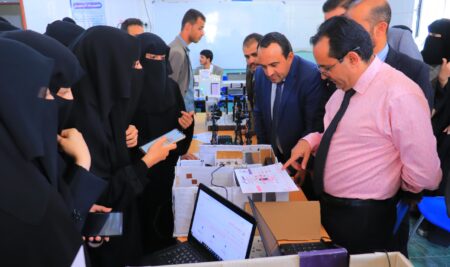
IoT Security Projects Presented by Cybersecurity Students
Academic and Teaching Staff – Information Technology Department
A strong, highly qualified cadre of academic and administrative staff.


![[ د.عادل الشميري – أستاذ مشارك هندسة حاسوب ::: نائب رئيس الجامعة للشئون الأكاديمية ]](https://msu.edu.ye/wp-content/uploads/2023/12/adel-150x150.jpg)


FAQs – Information Technology (IT) Specialization in Yemen
What Is Information Technology?
What Is Information Technology?
Information Technology (IT) is an academic and technical field concerned with the design, development, operation, and management of the systems and technologies used by organizations to process, store, transmit, and protect information.
The field of Information Technology combines programming, databases, computer networks, operating systems, software development, cloud computing, information security, and data analysis to provide technological solutions that help organizations improve their operations and transition toward more efficient digital environments.
Why Study Information Technology at Modern Specialized University?
Why Study Information Technology at Modern Specialized University?
Choosing the right university to study a Bachelor of Information Technology in Yemen is not only about studying theoretical courses. It also depends on the quality of the academic program, practical training, learning environment, and the skills students develop to prepare for the labor market. Therefore, the Information Technology Program at Modern Specialized University is designed to combine academic knowledge with practical application across a wide range of Information Technology fields.
1. An Academic Program Covering Key Areas of Information Technology
Students study a comprehensive range of fundamental and modern areas, including programming, operating systems, databases, computer networks, information security, web application development, server administration, cloud computing, and business analysis. This diversity helps students build a broad knowledge base and choose a career path that matches their interests and skills.
2. Strong Focus on Practical and Applied Learning
Information Technology education is not limited to theoretical lectures. The program includes practical training and applied projects that help students transform academic concepts into practical skills that can be used in real-world work environments. Practical training and projects are an essential part of the university’s technology-focused programs.
3. Study in a Specialized College of Engineering and Smart Computing
The Information Technology Program is part of the College of Engineering and Smart Computing, which also includes modern fields such as Artificial Intelligence, Cybersecurity, Mechatronics Engineering, Medical Equipment Engineering, and Graphic Design and Multimedia. This diversity creates an academic environment that brings together interconnected technology and engineering disciplines.
4. Learning with Modern Technologies
Throughout their studies, students are introduced to technologies and tools used in Information Technology, including SQL, Oracle, Java, C#, JavaScript, HTML, CSS, and React, in addition to cloud computing technologies such as AWS and Azure, according to the published program content.
5. Developing Diverse Skills for Multiple Career Opportunities
A Bachelor of Information Technology enables graduates to develop multiple professional career paths. Depending on their skills, experience, and professional specialization, graduates can pursue careers in software development, web development, database administration, computer networks, systems administration, IT support, data analysis, cloud computing, and information security.
6. Access to a Technology-Oriented Learning Environment
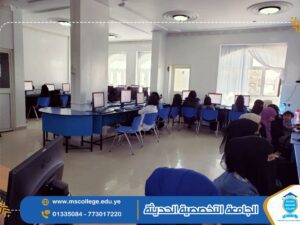
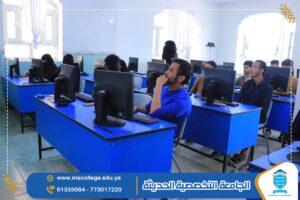
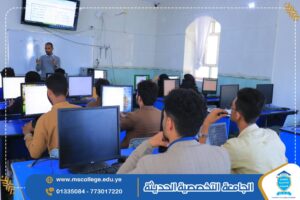
The university provides a learning environment that emphasizes laboratories, practical application, and student projects. The university’s educational facilities include specialized laboratories, modern classrooms, and a digital library, supporting students throughout their academic journey.
7. Developing Professional and Innovation Skills
The program focuses not only on technical skills but also on essential professional competencies such as project management, technology ethics, teamwork, communication, problem-solving, and continuous learning. These skills are important for the professional success of Information Technology graduates. The college also emphasizes innovation, creativity, and ethical conduct as part of its educational objectives.
8. Preparation for Advanced Technology Specializations
Information Technology provides a strong foundation for graduates who wish to advance their careers in areas such as Cybersecurity, Artificial Intelligence, Data Science, Cloud Computing, Software Engineering, and Systems Administration through postgraduate education, professional certifications, and specialized training.
9. A Program Aligned with Digital Transformation Needs
As organizations increasingly rely on digital systems, data, and electronic services, there is growing demand for professionals capable of developing and managing technological infrastructure, information systems, and data. The Information Technology Program at Modern Specialized University focuses on preparing graduates with the knowledge and skills needed to respond to the evolving needs of organizations and the labor market.
10. A Clear Study Duration and Bachelor’s Degree
The Bachelor of Information Technology program has a study duration of four years, providing students with a structured academic pathway toward earning a bachelor’s degree. The currently published admission requirement for the program is 55%, according to the university’s admission and registration information.
Conclusion
If you are looking to study Information Technology in Yemen in a program that combines programming, computer networks, databases, information security, cloud computing, and practical training, the Bachelor of Information Technology at Modern Specialized University provides a diverse academic pathway designed to help students develop the knowledge and skills needed to begin successful careers in the Information Technology sector.
Is Information Technology in Demand in Yemen?
Is Information Technology in Demand in Yemen?
Yes. Information Technology (IT) is considered one of the in-demand fields in Yemen, particularly as the use of digital systems, computer networks, databases, electronic services, and cloud computing continues to expand across government institutions, private-sector organizations, NGOs, telecommunications companies, and technology businesses.
The development of Yemen’s Information and Communications Technology (ICT) sector highlights the growing importance of developing digital skills and qualified professionals. The Ministry of Communications and Information Technology has identified several strategic priorities, including achieving digital transformation, developing Information Technology infrastructure, building a digital economy based on innovation and entrepreneurship, and developing the digital skills of the workforce.
The ministry has also established a Yemeni Technical Competencies Bank covering fields related to telecommunications and Information Technology, with the aim of connecting qualified technical professionals and their skills with employment opportunities and national projects.
As digital transformation continues to expand, graduates with strong skills in software development, computer networks, databases, information security, cloud computing, systems administration, and IT support can pursue career opportunities across a wide range of sectors.
For students considering studying Information Technology in Yemen, the field offers a broad range of potential career pathways and provides a foundation for adapting to emerging technologies and the evolving requirements of the digital economy.
What Does an Information Technology Student Study?
What Does an Information Technology Student Study?
A Bachelor of Information Technology (IT) student studies a comprehensive range of courses covering programming, databases, computer networks, operating systems, information security, software development, cloud computing, and data analysis. The program aims to provide students with the knowledge and skills needed to design, develop, operate, and manage Information Technology solutions in different organizations.
The Information Technology major progresses from fundamental courses in computing and programming to more advanced and applied subjects, enabling students to develop their technical and professional skills gradually throughout their academic years.
Key Areas Studied by Information Technology Students
1. Programming and Software Development
Students learn programming fundamentals and software development principles, including how to analyze problems and transform them into practical programs and applications using different programming languages and development tools.
2. Databases
Students learn how to design, create, manage, and query databases, including the study of SQL, data management concepts, and data protection.
3. Computer Networks
Students study the fundamentals of computer networks, communication protocols, network design, administration, and monitoring, as well as the basics of identifying and troubleshooting network problems.
4. Operating Systems and Systems Administration
Students become familiar with operating systems, computer and server resource management, and the principles of systems administration across different technology environments.
5. Web Application Development
Students learn modern web development technologies, including HTML, CSS, JavaScript, and other technologies used to build modern websites and web applications.
6. Information Security
Students study the fundamental principles of protecting data, systems, and networks, identifying security risks, and applying methods to reduce those risks. They also develop an understanding of the relationship between Information Technology and Cybersecurity.
7. Cloud Computing
Students are introduced to the concepts of cloud computing, cloud services, and cloud infrastructure, including how to use and manage technological resources and services through cloud platforms.
8. Data Analysis
Students learn the fundamentals of collecting, organizing, and analyzing data and extracting information and indicators that can help organizations make better decisions.
9. Information Systems Analysis and Design
Students learn how to analyze organizational needs, identify system requirements, and design appropriate information systems and technological solutions before implementation.
10. Information Technology Project Management
Students learn the principles of planning, implementing, monitoring, and managing risks and resources in Information Technology projects, along with teamwork and professional communication skills.
What Skills Does an Information Technology Student Gain?
By the end of the program, students are expected to develop a combination of technical and professional skills, including:
Programming and application development.
Database design and management.
Computer network design and administration.
Operating systems and server administration.
Web development and web application development.
Applying fundamental information security practices.
Using cloud computing technologies.
Data and information analysis.
Information systems analysis and design.
Technical problem-solving.
Information Technology project management.
Working effectively in multidisciplinary technology teams.
What Technologies Can an IT Student Learn?
Depending on the courses and practical training pathways, students may work with a range of technologies and tools used in the Information Technology sector, such as SQL, Oracle, Java, C#, JavaScript, HTML, CSS, React, AWS, and Azure, in addition to other tools and technologies that continue to evolve.
Is Information Technology Difficult to Study?
Studying Information Technology requires logical thinking, problem-solving abilities, and a willingness to learn and practice continuously. However, the field is not limited to students who already have programming experience. Students typically begin with fundamental concepts and gradually progress to more advanced topics.
The most important aspect of studying IT is practical practice. The more students develop real projects, programs, and applications, the better they become at transforming academic knowledge into professional skills.
What Is the Difference Between Information Technology and Artificial Intelligence?
The Information Technology major primarily focuses on the development, operation, management, and support of digital systems and infrastructure, including computer networks, databases, software, cloud computing, and information security.
In contrast, Artificial Intelligence (AI) focuses more specifically on developing intelligent systems, including machine learning, deep learning, natural language processing, computer vision, and other AI technologies.
However, the two fields share several areas, including programming, databases, and data analysis.
What Can You Do After Studying Information Technology?
After earning a Bachelor of Information Technology, graduates can build professional careers in a variety of fields, including software development, computer networks, systems administration, database management, web development, IT support, data analysis, cloud computing, and information security.
Graduates can also pursue postgraduate studies or professional specialization in fields such as Cybersecurity, Artificial Intelligence, Data Science, Cloud Computing, and Software Engineering.
What Is the Difference Between Information Technology and Computer Science?
What Is the Difference Between Information Technology and Computer Science?
Information Technology (IT) and Computer Science (CS) are closely related technology disciplines. Both involve the study of programming, computing, and databases, but they differ in their academic focus, the skills students develop, and the career pathways available after graduation.
The Main Difference Between Information Technology and Computer Science
Information Technology focuses more on the application, management, and operation of technology, systems, and digital infrastructure within organizations. In contrast, Computer Science focuses more on the scientific foundations of computing, algorithms, software design, and computational problem-solving.
| Area | Information Technology (IT) | Computer Science (CS) |
|---|---|---|
| Primary Focus | Applying and managing Information Technology | Scientific foundations of computing |
| Programming | Important and used to develop solutions and applications | A fundamental and more in-depth component |
| Algorithms | Studied primarily for practical problem-solving | Deeper study of algorithms and computational complexity |
| Databases | Database design, management, and operation | Data processing, database concepts, and related algorithms |
| Computer Networks | A core area of study | May receive less emphasis depending on the curriculum |
| Operating Systems | Administration and operation of systems and servers | Study of system concepts and internal architecture |
| Cloud Computing | An important area within IT | May be included as a course or specialized pathway |
| Information Security | Securing and managing systems and networks | May be studied as a subject or specialized area |
| Mathematics | Usually less mathematically intensive | Usually more prominent, particularly discrete mathematics and probability |
| Overall Goal | Building, managing, and operating technological solutions and infrastructure | Understanding computing and developing advanced computational solutions |
What Does an Information Technology Student Study?
An IT student studies a wide range of applied technology areas, including:
Programming and application development.
Computer networks.
Databases.
Operating systems and systems administration.
Information security.
Cloud computing.
Web development.
Information systems analysis and design.
Technical infrastructure support and management.
Data analysis.
Information Technology project management.
The primary goal is to enable students to use, manage, and develop technologies to meet organizational needs and solve practical problems.
What Does a Computer Science Student Study?
A Computer Science student focuses more deeply on the scientific and theoretical aspects of computing, including:
Advanced programming.
Data structures.
Algorithms and algorithm analysis.
Discrete mathematics.
Theory of computation.
Software engineering.
Artificial Intelligence.
Machine Learning.
Computer graphics.
Operating systems.
Databases.
Computer networks, depending on the curriculum.
The discipline aims to develop a deeper ability to design algorithms and software and understand the fundamental principles underlying computing systems.
Which Is Better: Information Technology or Computer Science?
There is no single discipline that is universally better. The right choice depends on the student’s interests and career goals.
Choose Information Technology if you are interested in:
Computer networks and IT infrastructure.
Systems and server administration.
Databases.
Cloud computing.
IT support and IT service management.
Applying technology within organizations.
Information security.
Developing practical technology solutions.
Choose Computer Science if you are interested in:
Advanced programming.
Algorithms.
Mathematics and logic.
Artificial Intelligence.
Machine Learning.
Software engineering.
Computing research and development.
Building complex algorithms and software systems.
Can an Information Technology Graduate Work as a Programmer?
Yes. An Information Technology graduate can work in software development, web development, and application development if they have the appropriate programming skills, practical projects, and professional experience.
The main difference is that programming in an IT program is generally part of a broader range of Information Technology skills rather than being the sole central focus of the discipline.
Can a Computer Science Graduate Work in Information Technology?
Yes. Computer Science graduates have a strong foundation in programming and computing and can work in many Information Technology roles. However, some specialized positions in network administration, systems administration, or cloud computing may require additional practical training or professional certifications.
Which Major Is More Suitable for Students in Yemen?
If a student is looking for a broad and practical technology major that combines programming, computer networks, databases, systems, cloud computing, and information security, a Bachelor of Information Technology may be a suitable choice.
If a student is more interested in advanced programming, algorithms, Artificial Intelligence, and the scientific foundations of computing, a Bachelor of Computer Science may be more suitable.
In all cases, a graduate’s career opportunities depend on the quality of the academic program, practical skills, projects, training, professional experience, and certifications—not solely on the name of the degree.
Conclusion
The difference can be summarized simply:
Computer Science focuses more on understanding and building the foundations of computing, algorithms, and software, while Information Technology focuses more on applying, managing, and operating technologies and systems to meet organizational needs.
Therefore, Information Technology and Computer Science are complementary and interconnected disciplines, and neither is an absolute substitute for the other.
What Is the Difference Between Information Technology and Cybersecurity?
What Is the Difference Between Information Technology and Cybersecurity?
The main difference is that Information Technology (IT) focuses on building, operating, and managing digital systems and technologies, while Cybersecurity focuses on protecting these systems, data, and networks from cyberattacks and digital threats.
Quick Comparison
| Information Technology (IT) | Cybersecurity |
|---|---|
| Managing computer systems | Protecting computer systems |
| Networks and IT infrastructure | Network security |
| Databases | Data protection |
| Programming and application development | Vulnerability and attack detection |
| Operating systems | Operating system security |
| Cloud computing | Cloud security |
| Technical support and systems administration | Security incident response |
| Systems analysis and design | Penetration testing and digital forensics |
Which One Is Broader?
Information Technology is broader in terms of general technology operations and management. It covers the development, operation, and management of an organization’s technological infrastructure and digital systems.
Cybersecurity, on the other hand, is a more specialized field that focuses on protecting this infrastructure from cyberattacks, vulnerabilities, and digital risks.
A Simple Example
If an organization has networks, servers, databases, and applications, an IT professional helps build, operate, maintain, and manage these systems.
A Cybersecurity professional, on the other hand, focuses on protecting these systems, identifying vulnerabilities and attacks, monitoring security threats, and responding to security incidents.
Can an Information Technology Graduate Work in Cybersecurity?
Yes. An Information Technology graduate can work in cybersecurity, especially in entry-level positions, provided they acquire specialized cybersecurity skills and certifications.
However, anyone who wants to specialize deeply in areas such as penetration testing, digital forensics, threat intelligence, and incident response may benefit from studying Cybersecurity as a specialized degree or pursuing additional specialized training and professional certifications.
IT vs. Cybersecurity: Which Should You Choose?
The right choice depends on your interests and career goals:
Choose Information Technology if you are interested in programming, networks, databases, operating systems, cloud computing, technical support, systems administration, and managing digital infrastructure.
Choose Cybersecurity if you are interested in protecting systems and data, ethical hacking, penetration testing, vulnerability assessment, threat detection, digital forensics, and incident response.
In short: IT focuses on building, operating, and managing technology, while Cybersecurity focuses on protecting that technology from threats and attacks.
What Jobs Can an Information Technology Graduate Do?
What Jobs Can an Information Technology Graduate Do?
A Bachelor’s Degree in Information Technology (IT) opens the door to a wide range of career opportunities in the information technology and digital transformation sectors. The career path a graduate chooses depends on their academic coursework, practical skills, training, projects, professional experience, and specialized certifications.
Information Technology graduates can work in software companies, telecommunications companies, banks and financial institutions, universities, hospitals, organizations, government institutions, commercial and industrial companies, as well as in freelance and remote technology-related roles.
Top Career Opportunities for IT Graduates
1. IT Specialist
An IT Specialist supports, operates, and manages information technology services within an organization. Responsibilities may include monitoring systems, devices, and networks, troubleshooting technical issues, and providing technology services to users.
2. IT Support Specialist
An IT Support Specialist provides technical assistance to users, diagnoses hardware, software, and network problems, and helps install, configure, maintain, and troubleshoot operating systems and software applications.
3. Systems Administrator
A Systems Administrator manages operating systems, servers, user accounts, access permissions, backups, and system performance. The role also involves maintaining the availability and reliability of IT systems.
4. Network Engineer
A Network Engineer helps design, install, operate, and manage computer networks. Responsibilities may include monitoring network performance, troubleshooting connectivity problems, and implementing basic network security measures.
5. Database Administrator
A Database Administrator (DBA) manages databases by organizing, monitoring, and optimizing their performance. The role also includes managing access permissions, backups, data availability, and data protection.
6. Software Developer
A Software Developer participates in analyzing, designing, developing, testing, and maintaining software applications and information systems using appropriate programming languages and frameworks.
7. Web Developer
A Web Developer designs and develops websites and web applications, improves their functionality and performance, and integrates them with databases and online services.
8. Systems Analyst
A Systems Analyst analyzes the needs of organizations and users, identifies technical requirements, and contributes to designing technology solutions and information systems that support business needs.
9. Cloud Computing Specialist
A Cloud Computing Specialist helps manage cloud services, resources, and infrastructure. With appropriate training and professional certifications, graduates can specialize in platforms such as AWS, Microsoft Azure, or other cloud technologies.
10. Data Analyst
A Data Analyst collects, organizes, cleans, and analyzes data and uses analytical and visualization tools to generate insights and indicators that can support organizational decision-making.
11. Information Security Specialist
An Information Security Specialist helps protect systems, networks, and data by implementing information security controls and monitoring security risks.
Note: Advanced security roles, such as penetration testing and digital forensics, may require specialized cybersecurity education, training, and professional certifications.
12. IT Service Administrator
An IT Service Administrator helps manage IT services, monitor user requests and technical incidents, and contribute to improving the quality and efficiency of technology services within an organization.
13. IT Manager
With sufficient professional experience, an IT graduate can progress into management positions such as IT Manager. An IT Manager is responsible for technology and systems planning, managing technical teams, overseeing IT projects, and aligning technology with organizational goals.
Where Can an Information Technology Graduate Work?
Information Technology graduates can work across a wide range of sectors and organizations, including:
Telecommunications and information technology companies.
Software development companies.
Banks and financial institutions.
Universities and educational institutions.
Hospitals and healthcare organizations.
Government institutions.
Local and international organizations.
Commercial and industrial companies.
E-commerce companies.
Data centers and cloud service providers.
Technology consulting companies.
Digital startups and technology platforms.
Can an IT Graduate Work Remotely?
Yes. Many Information Technology careers are suitable for remote work, particularly software development, web development, data analysis, technical support, systems administration, and cloud computing, depending on the nature of the position and the employer’s requirements.
Graduates can also work independently and provide technology services to clients inside or outside Yemen, provided they have the required technical skills, English-language proficiency, communication abilities, and project management skills.
What Skills Increase the Employability of an IT Graduate?
Career opportunities do not depend on a university degree alone. Developing practical and specialized skills can significantly improve a graduate’s competitiveness in the job market.
Important skills include:
Python, Java, C#, or JavaScript.
SQL and database management.
Computer networking.
Linux and systems administration.
Web development.
Git and GitHub.
Cloud computing.
Information security.
Data analysis.
Technical English.
Project management and teamwork.
Students are also encouraged to build a strong professional portfolio that demonstrates practical experience through real-world projects, such as web applications, database systems, networking projects, data analysis projects, and cloud-based solutions.
Building a Successful IT Career
A successful career in Information Technology requires continuous learning and practical experience. In addition to completing a bachelor’s degree, students should develop hands-on skills, participate in projects and internships, build a professional portfolio, improve their technical English, and pursue relevant professional certifications.
By combining academic knowledge, practical skills, projects, training, and continuous professional development, an Information Technology graduate can pursue diverse career paths and adapt to the rapidly changing technology and digital transformation landscape.
Is Information Technology a Suitable Major for Women?
Is Information Technology a Suitable Major for Women?
Yes. Information Technology (IT) is equally suitable for women and men. It is an academic field that primarily relies on technical knowledge, logical thinking, problem-solving, programming, data analysis, and systems and network management. Studying IT does not require any specific physical abilities.
A Bachelor’s Degree in Information Technology provides female students with the opportunity to develop valuable technical skills that can be applied across a wide range of sectors, whether in traditional workplace settings, remote jobs, or freelance technology-related work.
Why Can Information Technology Be a Good Choice for Women?
1. Diverse Career Opportunities
An IT graduate is not limited to a single career path. She can build a professional career in software development, web development, databases, data analysis, systems administration, networking, cloud computing, IT support, and information security.
2. Opportunities for Remote Work
Some technology careers allow a significant portion of their tasks to be performed remotely, including programming, website and application development, data analysis, technical design, technical support, and certain cloud computing roles, depending on the nature of the position and the employer’s policies.
This gives female IT graduates additional career options, including opportunities to work with companies and organizations outside their geographical location.
3. No Previous Programming Experience Is Required
A student can enroll in an IT program without having professional programming experience. Academic study typically starts with fundamental concepts and gradually progresses to programming, databases, networking, operating systems, and other technology areas.
The most important factors are a willingness to learn, continuous practice, and the ability to approach and solve problems.
4. The Ability to Choose a Suitable Technology Path
Information Technology is a broad field, allowing students to identify the area that best matches their interests and abilities as they progress through their studies.
Possible areas of specialization include:
Software Development.
Web Application Development.
Data Analysis.
Database Management.
Cloud Computing.
Information Security.
Systems Administration.
Computer Networking.
IT Project Management.
5. Opportunities for Professional Development
After earning a bachelor’s degree, an IT graduate can further develop her specialization through professional training, industry certifications, or postgraduate studies.
She can also move into advanced fields such as Cybersecurity, Artificial Intelligence, Data Science, Cloud Computing, and Software Engineering.
Does Studying Information Technology Require Strong Mathematics Skills?
Information Technology requires a certain level of logical thinking and basic mathematics, while the amount of mathematics required varies depending on the curriculum and the courses selected.
A student does not need to be highly specialized in mathematics to succeed in IT. Many areas of the field, including programming, databases, and networking, rely heavily on logical thinking, practical skills, continuous practice, and problem-solving.
Are IT Careers Suitable for Women?
Yes. Women can work in a wide range of technology careers according to their qualifications, skills, and professional experience.
Career opportunities include:
Software Developer.
Web and Application Developer.
Data Analyst.
Database Administrator.
Network Engineer.
Systems Administrator.
Information Security Specialist.
Cloud Computing Specialist.
IT Support Specialist.
Systems Analyst.
IT Project Manager.
IT Manager, after gaining the required professional experience.
What Does a Female Student Need to Succeed in Information Technology?
Success in IT does not depend on gender. It depends primarily on skills, interest, practical experience, and a commitment to continuous learning.
During her university studies, a student can strengthen her career prospects by:
Learning programming through practical projects.
Developing real-world technology projects.
Building a professional Portfolio that showcases her projects and skills.
Improving her technical English language skills.
Participating in training programs, competitions, and student projects.
Learning modern tools and technologies beyond the academic curriculum.
Earning professional certifications relevant to her chosen career path.
Keeping up with developments in Artificial Intelligence, Cybersecurity, Cloud Computing, and Data Analytics.
Is Information Technology a Suitable Major for Women in Yemen?
Yes. Information Technology can be an excellent choice for female students in Yemen, particularly for those who are interested in technology, programming, and problem-solving and who want to build a professional career in the digital sector.
The nature of some technology careers also provides opportunities to work locally or remotely, expanding the professional options available to female graduates depending on their skills and employer requirements.
Conclusion
Information Technology is equally suitable for women and men. It is a broad field that allows female students to choose from various career paths, including programming, data analysis, networking, database management, cloud computing, information security, and other areas of technology.
The most important factors behind a student’s success are not gender, but rather the quality of education, practical skills, projects, training, professional development, and the ability to continue learning and adapting to technological change.
Does Information Technology Have a Future?
Does Information Technology Have a Future?
Yes. Information Technology (IT) is considered a technology field with strong future career potential, driven by the growing reliance on digital systems, computer networks, databases, cloud computing, and software development across a wide range of sectors.
In Yemen, the importance of IT professionals continues to grow as organizations increasingly adopt digital solutions across government and private institutions, banking, telecommunications, education, healthcare, and e-commerce.
Career opportunities for IT graduates are not limited to working within local organizations. Technical skills can also provide opportunities for remote work with companies and organizations outside Yemen, particularly in areas such as software development, systems and network administration, database management, technical support, cloud computing, data analysis, and web application development.
Another important advantage of Information Technology is its flexibility. After graduation, an IT professional can develop a specialized career path in areas such as Cybersecurity, Cloud Computing, Data Analytics, Artificial Intelligence, Computer Networking, Software Development, and the Internet of Things (IoT), depending on their skills and interests.
Therefore, the future of Information Technology does not depend solely on obtaining a university degree. Long-term career success also requires continuous development of practical and professional skills, gaining experience through projects and training, earning relevant professional certifications, and keeping up with rapid technological developments.
In short, Information Technology offers diverse and evolving career opportunities, making it a promising field for students who are interested in technology, problem-solving, and building a career in the digital economy.
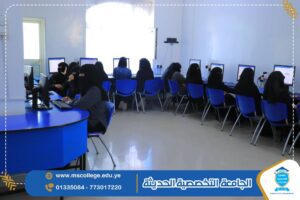
Information Technology Program - Laboratories and devices
Why Study Information Technology at MSU Yemen?
Why Choose Information Technology at MSU Yemen?
- Comprehensive IT Curriculum
- Practical and Project-Based Learning
- Cybersecurity and Information Security
- Artificial Intelligence Fundamentals
- Cloud Computing
- Web and Mobile Application Development
- Networking and Systems Administration
- Database Management
- Field Training
- Graduation Projects and Career Preparation