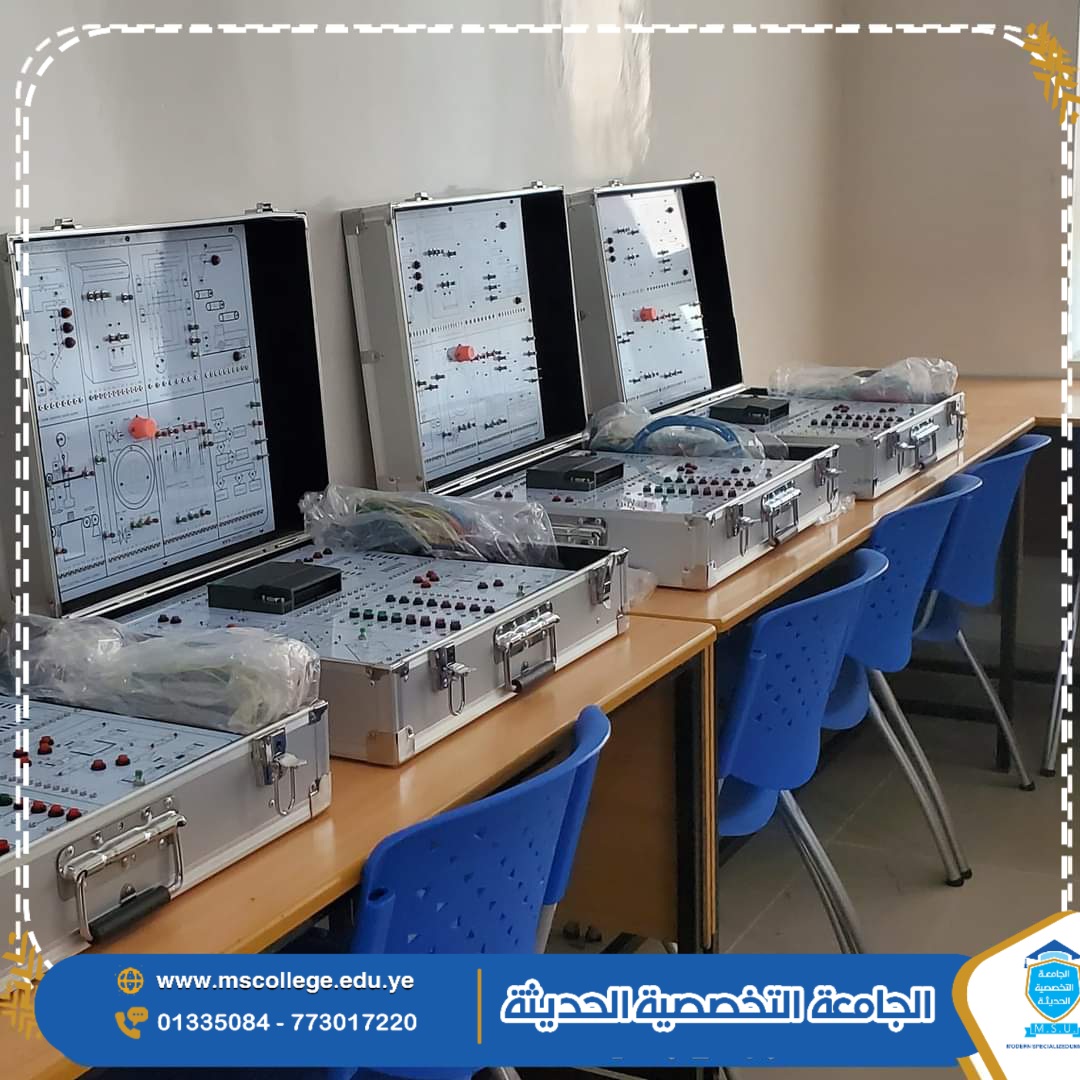
Bachelor of Medical Equipment Engineering - College of Engineering and Smart Computing
Bachelor of Medical Equipment Engineering in Yemen
Bachelor of Medical Equipment Engineering at Modern Specialized University in Yemen is an engineering program that combines medical sciences, electronics, programming, biomedical instrumentation, control systems, and modern healthcare technologies.
Medical Equipment Engineering is one of the programs of the College of Engineering and Smart Computing at MSU, and it is one of the important engineering branches, as this science is concerned with the study and development of diagnostic and therapeutic medical equipment and devices used in the field of health care. It includes many complex technological devices such as EKG, ultrasound, MRI, X-rays, CT scans, catheters, heart stents, dialysis machines, lasers, hearing aids, endoscopes, electron microscopes and others, and we find in this specialization the fusion of physical, chemical, biochemical and engineering sciences.
Bachelor of Biomedical Equipment Engineering (Medical Engineering, Biomedical Engineering) focuses on practical skills, biomedical tools, and healthcare safety. This program aims to improve patient care. It is considered one of the best programs at the university.
Bachelor of Medical Equipment Engineering - Modern Specialized University
-
About Program
-
Program Vision, Mission and Goals
-
Program Learning Outcomes
-
Program Graduated Jobs Opportunities
-
Program Study Plan
Bachelor of Medical Equipment Engineering at Modern Specialized University
| Item | Details |
|---|---|
| University | Modern Specialized University (MSU) |
| College | College of Engineering and Smart Computing |
| Program | Bachelor of Medical Equipment Engineering |
| Degree | Bachelor’s Degree |
| Study Duration | 4 years – 151 credit hours |
| Academic System | Two semesters per academic year |
| Language of Instruction | Arabic / English, depending on the course |
| Admission Requirement | 68% |
| Study Mode | On-campus |
| University Location | Sana’a, Republic of Yemen |
Medical Equipment Engineering Program – Vision, Mission and Educational Objectives
Vision
To achieve leadership and excellence in biomedical engineering education and research, while contributing to the advancement of medical equipment technologies and innovative healthcare solutions.
Mission
To prepare qualified Medical Equipment Engineering professionals who possess the knowledge, technical skills, professional competencies, and ethical values required to operate, maintain, evaluate, develop, and innovate medical equipment and healthcare technologies locally and globally.
Educational Objectives
The educational objectives of the Medical Equipment Engineering Program are to:
Provide comprehensive, integrated, and high-quality education that prepares graduates for diverse career pathways in biomedical and medical equipment engineering.
Provide an appropriate practical learning environment that enables students to apply theoretical knowledge through laboratory, industrial, and clinically oriented practical experiences.
Foster innovation, creativity, and ethical professional conduct among students in the field of biomedical and medical equipment engineering.
Provide engineering consultancy and technical expertise that contribute to addressing the needs of the healthcare sector and the labor market.
Prepare engineers capable of working effectively both independently and collaboratively, demonstrating professional responsibility, communication skills, teamwork, and problem-solving abilities.
Learning Outcomes of the Medical Equipment Engineering Program
Upon successful completion of the Bachelor’s Degree in Medical Equipment Engineering, graduates will be able to:
CLO1: Develop or contribute to the development of work plans and programs, particularly for the maintenance of medical equipment.
CLO2: Install and operate medical equipment under supervision or independently, as appropriate.
CLO3: Perform preventive and corrective maintenance of medical equipment.
CLO4: Supervise and monitor the field implementation of medical equipment-related works and activities.
CLO5: Identify specifications and standards for selected medical equipment and prepare the necessary operating and technical instructions.
CLO6: Prepare technical and administrative work statements, including those related to maintenance, repair, and other medical equipment services.
CLO7: Participate in the analysis and evaluation of tenders for medical equipment and contribute to selecting the most appropriate alternative.
CLO8: Train engineers and technicians in the operation and maintenance of medical equipment and contribute to selecting the most appropriate equipment alternatives.
CLO9: Conduct studies and research aimed at improving and developing work practices and achieving the optimal use of medical equipment.
CLO10:Provide technical advice and consultation in the field of medical equipment.
CLO11: Propose modifications, improvements, and adaptations to the designs of medical equipment where appropriate.
CLO12: Participate in committees related to medical equipment activities and engineering operations.
CLO13:Apply fundamental concepts and theories of medical engineering to solve engineering problems, communicate effectively, use information technologies, and work efficiently as part of multidisciplinary teams.
CLO14: Perform other professional and technical duties related to medical equipment engineering.
Career Opportunities for Medical Equipment Engineering Graduates
Upon successful completion of the Bachelor’s Degree in Medical Equipment Engineering, graduates can pursue diverse career opportunities in the healthcare, engineering, medical technology, and research sectors, including:
Potential Workplaces and Career Fields
Hospitals and healthcare institutions.
Medical equipment and technology companies.
Government organizations and public healthcare institutions.
Non-governmental organizations (NGOs) working in healthcare and medical technology.
Medical device and healthcare technology industries.
Medical laboratories, hospitals, treatment centers, and diagnostic imaging centers.
Companies specializing in the import, distribution, and supply of medical equipment.
Biomedical engineering research centers, where graduates can contribute to the development and improvement of medical devices.
Physical rehabilitation and prosthetics centers, where they can work as specialists in medical equipment, assistive technologies, and prosthetic systems.
Medical research centers and universities, contributing to the development of medical technologies and addressing biological, healthcare, and engineering challenges.
Other career opportunities in medical equipment management, maintenance, technical support, healthcare technology, and related fields.
Potential Job Titles
Graduates of the Medical Equipment Engineering Program may work in positions such as:
Biomedical Engineer
Medical Equipment Maintenance Engineer
Medical Equipment Engineer
Diagnostic Equipment Engineer
Therapeutic Equipment Engineer
Medical Sales Engineer
Medical Applications Engineer
Medical Equipment Quality Assurance Engineer
Medical Systems Engineer
Medical Imaging Equipment Engineer
Patient Monitoring Systems Engineer
Biomedical Engineering Researcher
Clinical Engineering Specialist
Medical Equipment Technical Support Engineer
Medical Equipment Installation and Commissioning Engineer
Medical Equipment Calibration and Testing Engineer
Study Plan for the Bachelor of Medical Equipment Engineering
The Bachelor of Medical Equipment Engineering program at Modern Specialized University (MSU) offers an integrated study plan that combines engineering, medical sciences, and modern technologies. The plan is designed to prepare graduates with the knowledge and practical skills required to understand, design, install, operate, maintain, evaluate, and develop medical devices and equipment.
The study plan begins with fundamental courses in mathematics, physics, programming, electrical circuits, and electronics, providing students with the essential engineering foundation required for advanced study. Students then progressively move to specialized courses covering areas such as medical equipment, biomedical measurements, diagnostic and therapeutic devices, medical signals and systems, biomedical monitoring systems, and hospital engineering.
The program also emphasizes practical learning through laboratory work, field training, practical activities, and applied projects. This approach enables students to connect theoretical concepts with real-world medical engineering applications and develop hands-on competencies in the operation, maintenance, testing, and evaluation of medical equipment.
The curriculum is structured according to an appropriate academic sequence and course prerequisites, allowing students to progress systematically from fundamental engineering concepts to advanced medical applications. Particular emphasis is placed on developing the skills required to work with modern medical equipment, diagnose technical faults, perform preventive and corrective maintenance, conduct calibration and testing, and evaluate the performance, reliability, and safety of medical devices.
The study plan also provides a foundation for students to engage with emerging technologies in healthcare, including Artificial Intelligence (AI), the Internet of Things (IoT), medical signal and image processing, and intelligent medical systems. These areas support the program’s alignment with the rapid development of healthcare technologies and the growing demand for qualified medical equipment and biomedical engineering professionals.
Download the Study Plan
Students and prospective applicants can access the complete Bachelor of Medical Equipment Engineering Study Plan to review the courses, credit hours, academic levels, and course requirements.
المستوى الاول – الفصل الأول — — First Level – First Semester
| رمز المقرر Course Code | اسم المقرر Course Name | L | T | P | C Credit | المتطلب السابق Pre-requisite | المتطلب المصاحب Co-requisite |
|---|---|---|---|---|---|---|---|
| UNR111 | Arabic Language Skills (1) | 2 | – | – | 2 | — | — |
| UNR112 | English Language Skills (1) | 2 | – | – | 2 | — | — |
| UNR113 | Islamic Culture | 2 | – | – | 2 | — | — |
| FAR111 | Mathematics (1) | 2 | 2 | – | 3 | — | — |
| FAR112 | Physics | 2 | 2 | 2 | 4 | — | — |
| BME011 | Introduction to Biomedical Engineering | 2 | – | – | 2 | — | — |
| BME012 | Electrical Circuits (1) | 2 | 2 | 2 | 4 | — | — |
المستوى الأول – الفصل الثاني — First Level – Second Semester
| رمز المقرر Course Code | اسم المقرر Course Name | L | T | P | C Credit | المتطلب السابق Pre-requisite | المتطلب المصاحب Co-requisite |
|---|---|---|---|---|---|---|---|
| UNR124 | Arabic Language Skills (2) | 2 | – | – | 2 | UNR111 | — |
| UNR125 | English Language Skills (2) | 2 | – | – | 2 | UNR112 | — |
| UNR126 | Computer Skills | 1 | – | 2 | 2 | — | — |
| FAR123 | Mathematics (2) | 2 | 2 | – | 3 | FAR111 | — |
| FAR124 | Engineering Drawing | 2 | – | 2 | 3 | — | — |
| BME021 | Electronics (1) | 2 | 2 | 2 | 4 | — | — |
| BME022 | Electrical Circuits (2) | 2 | 2 | 2 | 4 | BME012 | — |
المستوى الثاني – الفصل الأول — Second Level – First Semester
| رمز المقرر Course Code | اسم المقرر Course Name | L | T | P | C Credit | المتطلب السابق Pre-requisite | المتطلب المصاحب Co-requisite |
|---|---|---|---|---|---|---|---|
| FAR215 | Probability & Statistics | 2 | 2 | – | 3 | — | — |
| FAR216 | Life Skills | 2 | – | – | 2 | — | — |
| BME111 | Differential Equations | 2 | 2 | – | 3 | FAR011 | — |
| BME112 | Biology | 2 | – | – | 2 | — | — |
| BME113 | Electronics (2) | 2 | 2 | 2 | 4 | BME021 | — |
| BME114 | Engineering Mechanics | 2 | – | 2 | 3 | — | — |
| BME115 | Digital and Logic Design | 2 | – | 2 | 3 | — | — |
المستوى الثاني – الفصل الثاني — Second Level – Second Semester
| رمز المقرر Course Code | اسم المقرر Course Name | L | T | P | C Credit | المتطلب السابق Pre-requisite | المتطلب المصاحب Co-requisite |
|---|---|---|---|---|---|---|---|
| UNR227 | Conflict with Israeli Enemy | 2 | – | – | 2 | UNR113 | — |
| BME121 | Anatomy & Physiology | 2 | – | 2 | 3 | BME112 | — |
| BME122 | Biochemistry | 2 | – | 2 | 3 | BME112 | — |
| BME123 | Biomechanics | 2 | 2 | – | 3 | BME114 | — |
| BME124 | Medical Laboratory Equipment | 2 | – | 2 | 3 | — | — |
| BME125 | Bio-signals and Measurements | 2 | – | 2 | 3 | — | — |
| BME126 | Programming Language (1) | 2 | – | 2 | 3 | — | — |
المستوى الثالث – الفصل الأول — Third Level – First Semester
| رمز المقرر Course Code | اسم المقرر Course Name | L | T | P | C Credit | المتطلب السابق Pre-requisite | المتطلب المصاحب Co-requisite |
|---|---|---|---|---|---|---|---|
| UNR318 | National Culture | 2 | – | – | 2 | UNR227 | — |
| FAR317 | Research Methodology | 2 | – | – | 2 | FAR215 | — |
| BME211 | Linear Algebra | 2 | 2 | – | 3 | BME111 | — |
| BME212 | Medical Equipment (1) | 2 | – | 2 | 3 | BME125 | — |
| BME213 | Biomedical Sensors & Transducers | 2 | – | 2 | 3 | BME125 | — |
| BME214 | Microprocessors and Microcontrollers | 2 | – | 2 | 3 | BME115 | — |
| BME215 | Programming Language (2) | 2 | – | 2 | 3 | BME126 | — |
المستوى الثالث – الفصل الثاني — Third Level – Second Semester
| رمز المقرر Course Code | اسم المقرر Course Name | L | T | P | C Credit | المتطلب السابق Pre-requisite | المتطلب المصاحب Co-requisite |
|---|---|---|---|---|---|---|---|
| BME221 | Medical Signals Processing | 2 | – | 2 | 3 | — | — |
| BME222 | Artificial Intelligence | 2 | – | 2 | 3 | — | — |
| BME223 | Medical Equipment (2) | 2 | – | 2 | 3 | BME212 | — |
| BME224 | Management & Maintenance of Medical Equipment | 2 | – | 2 | 3 | — | — |
| BME225 | Biomaterials | 2 | – | – | 2 | — | — |
| BME226 | Elective (1) | — | — | — | 2 | — | — |
| BME227 | Elective (2) | — | — | — | 3 | — | — |
المستوى الرابع – الفصل الأول — Fourth Level – First Semester
| رمز المقرر Course Code | اسم المقرر Course Name | L | T | P | C Credit | المتطلب السابق Pre-requisite | المتطلب المصاحب Co-requisite |
|---|---|---|---|---|---|---|---|
| FAR418 | Engineering Projects Management | 2 | – | – | 2 | — | — |
| BME311 | Design and Development of Medical Devices | 2 | – | 2 | 3 | — | — |
| BME312 | Medical Image processing | 2 | – | 2 | 3 | — | — |
| BME313 | Embedded Systems and Interfacing | 2 | – | 2 | 3 | BME314 | — |
| BME314 | Medical Imaging Systems (1) | 2 | – | 2 | 3 | — | — |
| BME315 | Graduation Project (1) | 1 | – | 2 | 2 | — | — |
| BME316 | Elective (3) | — | — | — | 3 | — | — |
المستوى الرابع – الفصل الثاني — Fourth Level – Second Semester
| رمز المقرر Course Code | اسم المقرر Course Name | L | T | P | C Credit | المتطلب السابق Pre-requisite | المتطلب المصاحب Co-requisite |
|---|---|---|---|---|---|---|---|
| BME321 | Artificial Organs and Prostheses | 2 | – | – | 2 | — | — |
| BME322 | Occupational Safety and Professional Ethics | 2 | – | – | 2 | — | — |
| BME323 | Hospital Design and Management | 2 | – | – | 2 | — | — |
| BME324 | Medical Imaging Systems (2) | 2 | – | 2 | 3 | BME314 | — |
| BME325 | Graduation Project (2) | 1 | – | 2 | 2 | BME315 | — |
| BME426 | Field Training | 0 | – | 2 | 1 | — | — |
| BME327 | Elective (4) | — | — | — | 3 | — | — |
Bachelor of Medical Equipment Engineering - Student Projects
Medical Equipment Engineering Department - Academic and Teaching Staff


Medical Equipment Engineering Specialization in Yemen - FAQs
What Is Medical Equipment Engineering?
What Is Medical Equipment Engineering?
Medical Equipment Engineering is an engineering discipline that combines engineering principles with medical sciences. It focuses on the design, development, installation, operation, maintenance, testing, and calibration of medical devices and equipment used in diagnosis, treatment, monitoring, and healthcare. The field covers areas such as medical devices, electronics, biomedical systems, instrumentation, control systems, signal processing, and programming, enabling graduates to work with a wide range of modern healthcare technologies.
Students enrolled in the Bachelor of Medical Equipment Engineering program learn how medical devices used in hospitals and healthcare facilities operate and how they can be installed, tested, maintained, and evaluated. These devices include electrocardiography (ECG) machines, ultrasound systems, X-ray equipment, magnetic resonance imaging (MRI) systems, computed tomography (CT) scanners, vital signs monitoring systems, dialysis machines, and many other types of medical equipment.
Medical Equipment Engineering is closely related to Biomedical Engineering and Clinical Engineering. The field aims to prepare engineers who can help ensure the performance, reliability, safety, and proper operation of medical equipment. Graduates can also contribute to troubleshooting and maintenance, equipment calibration and testing, and the selection, procurement, installation, and commissioning of medical devices within healthcare institutions.
The discipline combines engineering knowledge with practical medical applications, making it a suitable field for students interested in medical devices, electronics, programming, artificial intelligence, robotics, biomedical technologies, and modern healthcare technologies. Through their academic and practical training, students develop the technical and problem-solving skills needed to contribute to the development and effective management of medical technologies and healthcare systems.
Why Study Medical Equipment Engineering at Modern Specialized University?
Why Study Medical Equipment Engineering at Modern Specialized University?
Artificial Intelligence in Medical Equipment Engineering
Artificial Intelligence (AI) is one of the most important emerging technologies transforming the field of medical equipment engineering. AI enables the use of machine learning, deep learning, computer vision, and biomedical signal processing in the design, development, operation, and optimization of intelligent medical devices and healthcare systems.
At Modern Specialized University (MSU), this field is given particular importance through the integration of Medical Equipment Engineering, Artificial Intelligence, and Smart Computing. This interdisciplinary approach enables students to explore and develop innovative technological solutions that can contribute to improving diagnostic accuracy, monitoring patients, predicting equipment failures, and optimizing the performance and reliability of medical devices.
AI applications in Medical Equipment Engineering include medical image analysis, ECG and biomedical signal processing, intelligent patient monitoring, predictive maintenance of medical equipment, the Internet of Medical Things (IoMT), wearable medical devices, and intelligent systems that support diagnosis and treatment.
The integration of AI with medical equipment engineering also introduces students to emerging approaches for analyzing large volumes of healthcare data and developing intelligent systems capable of supporting healthcare professionals. These technologies can contribute to more efficient equipment management, early detection of potential technical problems, and improved healthcare delivery.
Through this interdisciplinary educational approach, the program aims to prepare engineers who are capable of keeping pace with the digital transformation of the healthcare sector and contributing to the development of medical devices and equipment that are smarter, more efficient, reliable, and responsive to clinical needs.
By combining engineering fundamentals with AI, smart computing, medical technologies, and practical applications, students can develop the technical knowledge, problem-solving abilities, and innovation skills needed to contribute to the rapidly evolving field of smart healthcare and biomedical engineering.
Where Can Medical Equipment Engineering Graduates Work?
Where Can Medical Equipment Engineering Graduates Work?
Graduates of Medical Equipment Engineering can work in a wide range of healthcare, engineering, medical technology, and research environments. They can work in hospitals and healthcare centers, where they are involved in the installation, operation, testing, maintenance, and management of diagnostic and therapeutic medical equipment. Graduates can also pursue careers in medical device companies, supporting the sales, installation, technical support, and training associated with modern medical technologies.
In addition, career opportunities are available in research centers, universities, medical technology industries, and organizations involved in healthcare technology development, where graduates can contribute to the design, improvement, and development of medical devices and biomedical solutions.
Main Workplaces
Hospitals and Medical Centers: Working in technical and biomedical engineering departments, inspecting medical equipment, performing preventive and corrective maintenance, troubleshooting faults, and ensuring the safe and efficient operation of medical devices.
Medical Equipment Suppliers and Companies: Working as Medical Sales Engineers, Technical Support Engineers, Installation Engineers, or Applications Engineers, including installing equipment and training healthcare professionals and technical staff in the proper operation and use of modern medical technologies.
Medical Technology and Device Manufacturing Companies: Contributing to the design, development, testing, and improvement of medical devices, prosthetic systems, assistive technologies, and smart healthcare equipment.
Research Centers and Universities: Conducting research and developing engineering solutions to biomedical and healthcare challenges, as well as contributing to the advancement of medical equipment and emerging healthcare technologies.
What Is the Difference Between Medical Equipment Engineering and Biomedical Engineering?
What Is the Difference Between Medical Equipment Engineering and Biomedical Engineering?
Medical Equipment Engineering and Biomedical Engineering are closely related disciplines that combine engineering with healthcare. However, they differ in their primary areas of focus, academic content, and typical career applications.
Comprehensive Comparison
| Comparison Aspect | Medical Equipment Engineering | Biomedical Engineering |
|---|---|---|
| General Concept | Focuses primarily on the engineering, operation, maintenance, testing, and development of medical equipment and devices. | Combines engineering principles with medical and biological sciences to develop technologies that address biological and healthcare challenges. |
| Main Areas of Study | Electronics, electrical systems, instrumentation, medical equipment, maintenance, control systems, and biomedical signal processing. | Biomaterials, tissue engineering, biomechanics, biological systems, medical technologies, and biomedical applications. |
| Primary Objective | To ensure the safe, efficient, and reliable installation, operation, maintenance, testing, and development of medical equipment. | To develop innovative biomedical solutions, medical technologies, and engineering applications that interact with or support biological systems. |
| Typical Work Environment | Hospitals, healthcare facilities, medical equipment companies, suppliers, maintenance departments, and technical service centers. | Research centers, universities, biomedical technology companies, medical device industries, rehabilitation and prosthetics organizations, and healthcare technology companies. |
| Typical Career Focus | Medical equipment maintenance, installation, calibration, technical support, medical equipment management, applications engineering, and medical equipment sales. | Biomedical research, medical device development, biomaterials, biomechanics, rehabilitation technologies, tissue engineering, and biomedical innovation. |
Is Medical Equipment Engineering in Demand in the Job Market?
Is Medical Equipment Engineering in Demand in the Job Market?
Yes. Medical Equipment Engineering, closely related to Biomedical Engineering and Clinical Engineering, is an increasingly important field in the modern healthcare sector. The growing reliance of hospitals, healthcare facilities, and treatment centers on advanced medical technologies, digital healthcare systems, and sophisticated diagnostic and therapeutic equipment has increased the need for qualified professionals who can manage and support these technologies.
Medical Equipment Engineers play an important role in the installation, operation, maintenance, calibration, testing, troubleshooting, and performance evaluation of medical devices and equipment. They may also contribute to equipment selection and procurement, technical support, staff training, and the safe and efficient use of medical technologies.
As healthcare continues to adopt technologies such as Artificial Intelligence (AI), medical imaging, Internet of Medical Things (IoMT), smart monitoring systems, robotics, and connected medical devices, graduates with strong engineering and technology skills can pursue career opportunities across hospitals, medical equipment companies, healthcare organizations, research institutions, and medical technology industries.
For students interested in engineering, electronics, medical devices, healthcare technology, programming, artificial intelligence, and innovation, Medical Equipment Engineering can provide a strong foundation for a career in the rapidly evolving healthcare technology sector.
Do Medical Equipment Engineering Students Study Programming and Electronics?
Do Medical Equipment Engineering Students Study Programming and Electronics?
Yes. Medical Equipment Engineering students study programming and electronics as essential and fundamental components of the program. The discipline serves as a bridge between medical sciences and engineering technologies. Modern medical devices—including MRI systems, electrocardiography (ECG) machines, and ventilators—depend on sophisticated electronic circuits, embedded systems, sensors, and software to perform their functions accurately and safely.
First: What Do Students Study in Electronics?
Electronic circuits form a fundamental part of modern medical equipment. Students develop knowledge and practical skills in areas such as:
Electrical Circuits: Understanding current, voltage, resistance, and electrical behavior within medical devices.
Medical Electronics: Studying and designing electronic circuits capable of acquiring and processing weak biomedical signals.
Sensors and Transducers: Learning how physiological measurements such as heart rate, temperature, pressure, and other biological parameters can be converted into electrical signals.
Microcontrollers and Embedded Systems: Learning about microcontrollers and embedded processors that control and operate medical devices, including platforms such as Arduino and other microcontroller-based systems.
Second: What Do Students Study in Programming?
Programming provides the computational intelligence that enables electronic systems and medical devices to perform specific functions. Students may develop skills in areas such as:
Programming Fundamentals: Learning programming languages and computational concepts used to develop control, analysis, and data-processing applications, such as C/C++, Python, and MATLAB, depending on the curriculum.
Medical Signal and Image Processing: Developing computational methods for processing and analyzing medical signals and images, including X-ray, ultrasound, MRI, and other biomedical data.
Control Systems and Embedded Programming: Programming systems to respond appropriately to commands, measurements, operating conditions, and safety requirements.
Artificial Intelligence Applications: Exploring AI and machine learning techniques that can support medical image analysis, biomedical signal interpretation, predictive maintenance, and clinical decision-support applications.
Through the integration of electronics, programming, medical technologies, and artificial intelligence, the program helps students develop the multidisciplinary skills needed to understand, operate, maintain, and contribute to the development of modern medical equipment and intelligent healthcare systems.
Electronics
- Electrical Circuits
- Medical Electronics
- Sensors and Transducers
- Microcontrollers
- Embedded Systems
Programming
- C/C++
- Python
- MATLAB
- Signal Processing
- Image Processing
- Control Systems
- AI Applications
What Medical Devices Do Students Study?
What Medical Devices Do Students Study?
Students in Medical Equipment Engineering (also closely related to Biomedical Engineering) study a wide range of medical devices and healthcare technologies used in hospitals, clinics, diagnostic centers, and other healthcare facilities. These devices are typically classified according to their medical function and underlying engineering principles as follows:
Medical Imaging
- MRI
- X-Ray
- CT
- Ultrasound
Patient Monitoring & ICU
- ECG
- Patient Monitors
- Ventilators
- Defibrillators
Therapeutic & Surgical Devices
- Dialysis
- Electrosurgical Units
- Neonatal Incubators
- Surgical Robots
Laboratory Equipment
- Hematology Analyzers
- Biochemistry Analyzers
- Centrifuges
- PCR
Prosthetics & Implants
- Pacemakers
- Smart Prosthetics
- Insulin Pumps
Is There Practical Training?
Is There Practical Training?
Yes. Practical training is an essential and important component of Medical Equipment Engineering. It enables students to apply their theoretical knowledge in real-world healthcare environments and develop the technical skills required to operate, maintain, and troubleshoot medical equipment safely and effectively.
Areas of Practical Training
Medical Equipment Maintenance: Students learn how to inspect medical devices, identify technical faults, troubleshoot problems, and perform appropriate maintenance and repairs.
Operation and Preventive Maintenance: Students gain practical experience in operating medical equipment, testing its performance, carrying out preventive maintenance, and ensuring that equipment is safe and ready for clinical use.
Field Visits and Hospital Training: Students may participate in field visits and practical training within biomedical or medical engineering departments of hospitals and healthcare facilities, gaining direct exposure to medical equipment and professional working environments.
How Can Students Obtain Practical Training?
Academic Study Plans: Universities and colleges may include practical training or field training as part of the academic requirements of the program, including internship or graduation training where applicable.
Specialized Training Centers: Students can also benefit from specialized medical equipment training centers that provide intensive practical courses in equipment operation, troubleshooting, maintenance, testing, and calibration.
Why Is Practical Training Important?
Practical training helps students bridge the gap between theoretical engineering knowledge and professional practice. It develops their ability to work with real medical equipment, diagnose technical problems, follow safety procedures, communicate with healthcare professionals, and apply engineering solutions in clinical environments.
Through a combination of laboratory practice, field visits, hospital training, and applied projects, Medical Equipment Engineering students can build the practical competencies needed for careers in hospitals, medical equipment companies, healthcare organizations, and technical service and maintenance departments.
Examples:
- Medical equipment maintenance
- Preventive maintenance
- Equipment operation
- Troubleshooting
- Calibration
- Field visits
- Hospital/healthcare training where applicable
Is There a Graduation Project?
Is There a Graduation Project?
Yes. The graduation project is an essential component of the Bachelor’s degree in Medical Equipment Engineering at many universities and engineering colleges. It is typically completed during the final academic year and provides students with an opportunity to demonstrate their ability to apply theoretical and practical knowledge to the design, development, testing, or improvement of medical equipment and healthcare technologies.
The graduation project enables students to address real-world healthcare and engineering challenges while developing important professional skills such as problem-solving, system design, programming, electronics, research, teamwork, technical documentation, and project management.
Common Areas and Ideas for Graduation Projects
Patient Monitoring Systems
Students can design and develop systems for monitoring patients’ vital signs, such as heart rate, ECG, blood pressure, body temperature, and oxygen saturation. These systems may be connected to computers, smartphones, or cloud-based platforms for data visualization and monitoring.
Therapeutic and Assistive Devices
Graduation projects may involve developing or prototyping therapeutic and assistive technologies, such as simplified respiratory support systems, smart neonatal incubators, prosthetic limbs, rehabilitation devices, and physical therapy equipment.
Assistive Technology
Students can develop innovative technologies that help people with disabilities or special needs. Examples include smart glasses, navigation systems, obstacle-detection devices, and intelligent assistive systems for people with visual impairments.
Innovation and Artificial Intelligence in Graduation Projects
Modern Medical Equipment Engineering projects can also integrate Artificial Intelligence, Internet of Things (IoT), sensors, embedded systems, biomedical signal processing, and medical image processing. These technologies allow students to develop smarter healthcare solutions for monitoring, diagnosis support, predictive maintenance, and rehabilitation.
Through the graduation project, students have the opportunity to transform their academic knowledge into a practical engineering solution that addresses real healthcare needs and demonstrates their readiness for professional careers or further postgraduate study.
Example:
- Patient Monitoring Systems
- ECG Systems
- Smart Neonatal Incubators
- Assistive Technology
- Smart Prosthetics
- AI-based Medical Applications
- IoT Healthcare Systems
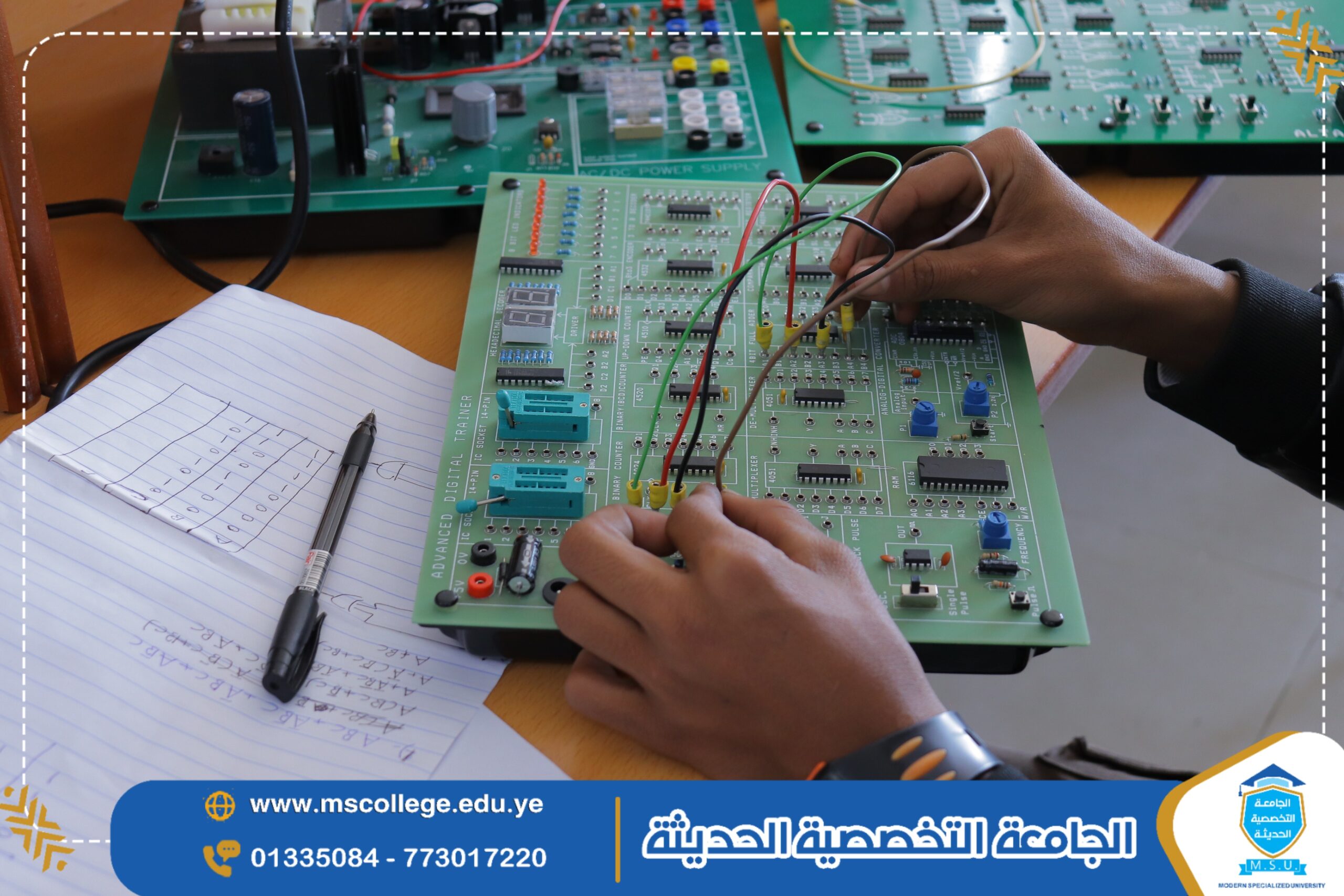
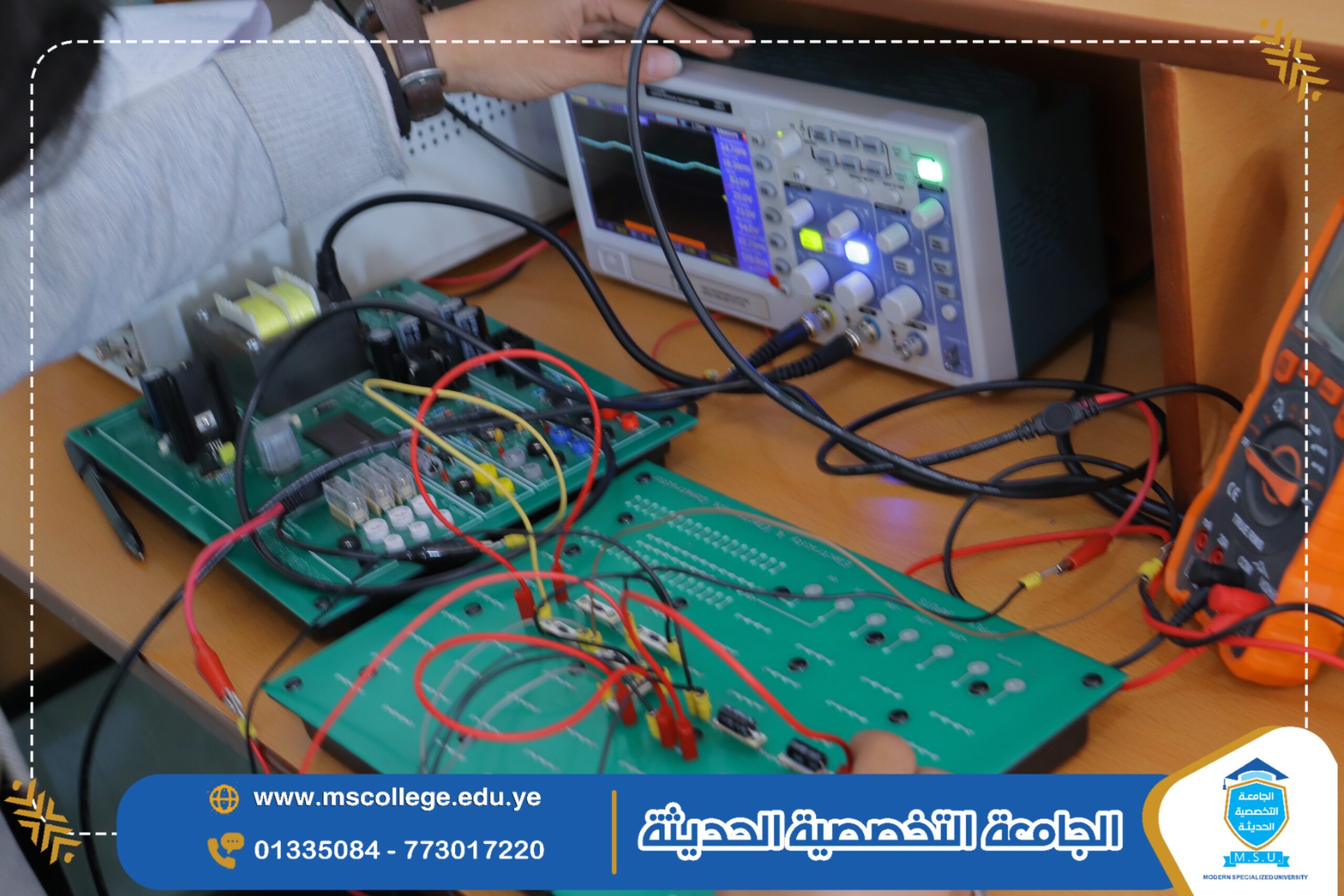
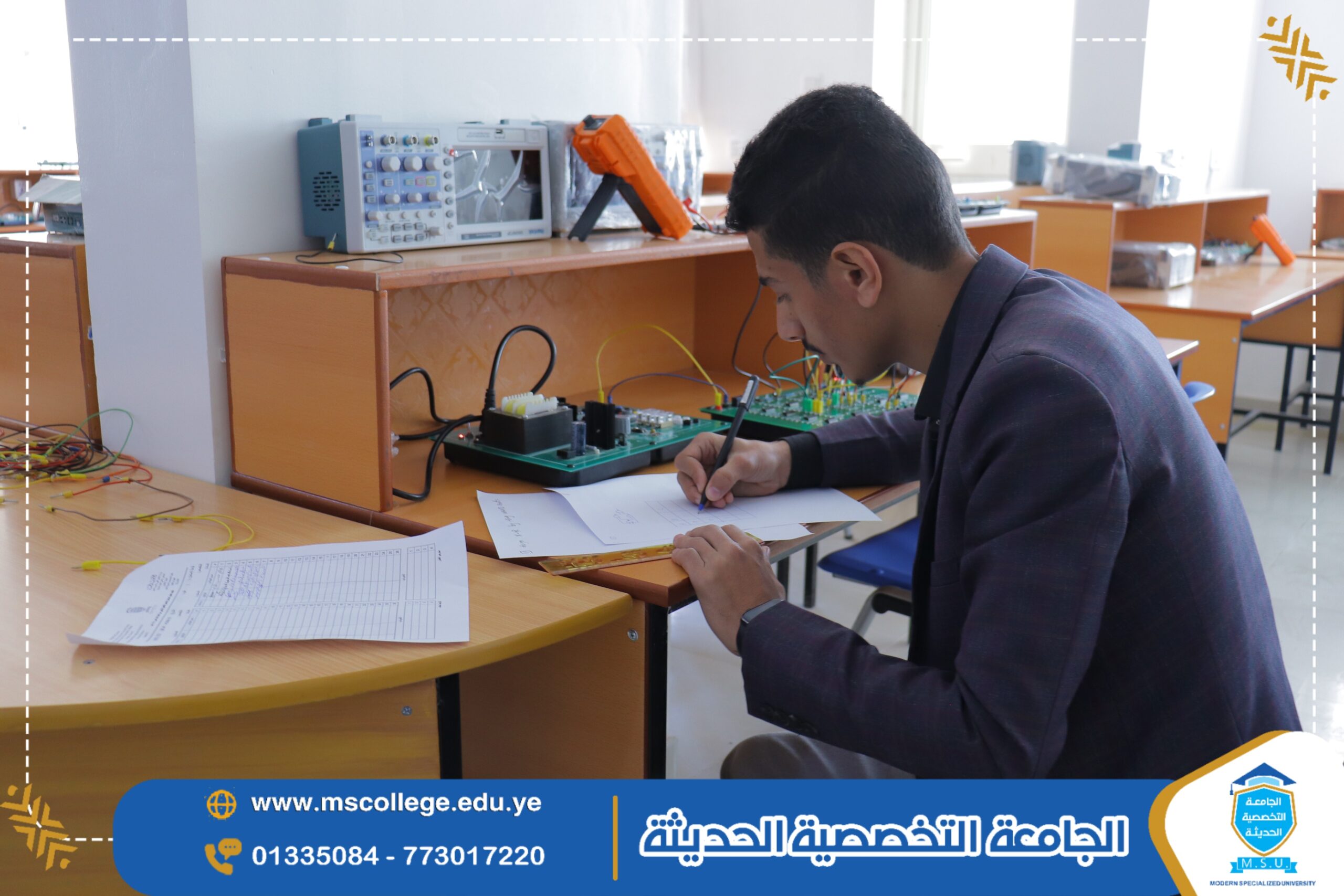
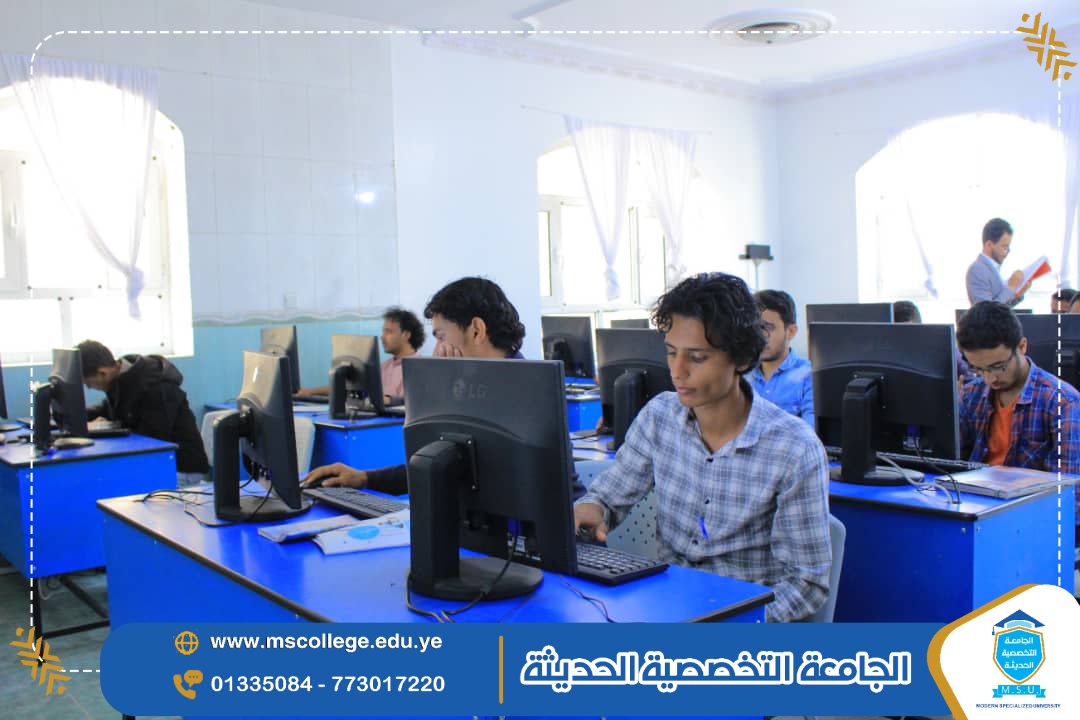
Medical Equipment Engineering Program - Laboratories and devices