Bachelor of Cybersecurity - College of Engineering and Smart Computing
Bachelor of Cybersecurity in Yemen
Cybersecurity is one of the programs in the College of Engineering and Smart Computing at the Modern Specialized University, the first of its kind in Yemen. The Cybersecurity program is concerned with educating students with technical competence and analytical problem-solving techniques that protect organizational systems and critical infrastructure. Information is the biggest commodity in today’s business world and companies must protect their information at all costs.
This specialization is one of the most vital and in-demand fields in the age of digitization, where the need for specialists capable of countering advanced cyber threats is increasing.
With increasing cyberattacks on critical sectors (such as health, energy, and banking), cybersecurity has become a strategic priority for governments and companies, ensuring excellent job opportunities and competitive salaries for professionals.
The cybersecurity program at Modern Specialized University is designed by experts in the field with the utmost professionalism and competence that students receive during their studies:
- Basic courses in computing and security include: Networking fundamentals, operating systems, programming, information security.
- Specialized cybersecurity courses include: Network Security, Cryptography, Malware Analysis, Risk Management and Compliance, Critical Infrastructure Protection, Digital Forensics, and Ethical Hacking.
- Advanced supporting courses include: Cyber Law, Artificial Intelligence and Security, and IoT Security.
In addition to a number of skills such as vulnerability analysis and penetration testing, designing and implementing integrated security solutions, monitoring and responding to security incidents, as well as understanding global security and privacy policies.
Bachelor of Cybersecurity - Modern Specialized University
-
About Program
-
Program Vision, Mission and Goals
-
Program Learning Outcomes
-
Program Graduated Jobs Opportunities
-
Program Study Plan
Bachelor of Cybersecurity Program Information
| Item | Details |
|---|---|
| University | Modern Specialized University |
| College | College of Engineering and Smart Computing |
| Program | Bachelor of Cybersecurity |
| Degree | Bachelor’s Degree |
| Duration | 4 years – 135 credit hours |
| Academic System | Two semesters per academic year |
| Language of Instruction | Arabic / English, depending on the course |
| Admission Rate | 65% |
| Study Mode | On-campus |
| University Location | Sana’a – Republic of Yemen |
Bachelor of Cybersecurity – Vision, Mission, and Educational Objectives
Vision
To achieve local leadership in the field of cybersecurity and develop the next generation of cybersecurity professionals with strong technical skills and a solid theoretical foundation, while encouraging students to engage in cybersecurity defense research.
Mission
To provide outstanding educational services in accordance with quality standards and academic accreditation requirements, enabling students to acquire scientific, technical, and professional knowledge in cybersecurity to meet the needs of society and the labor market.
Educational Objectives
The educational objectives of the Bachelor of Cybersecurity program are as follows:
Provide comprehensive, high-quality practical education that develops students’ ability to apply cybersecurity principles and practices to protect information systems and networks from various threats and cyberattacks.
Prepare qualified cybersecurity professionals to meet the needs of organizations, with the ability to analyze, assess, and mitigate cybersecurity risks and vulnerabilities, as well as propose and evaluate solutions and strategies to prevent cybersecurity incidents or respond to them effectively and efficiently.
Provide students with a global perspective on current and emerging trends and challenges in cybersecurity, while introducing them to cyber law and policy, cyber warfare, cyber resilience, and cyber ethics.
Develop critical thinking and problem-solving skills to enable students to address complex and dynamic cybersecurity environments and scenarios, while fostering a culture of continuous learning and adaptability.
Enhance students’ communication and collaboration skills to enable them to work effectively with diverse stakeholders on cybersecurity projects, professional tasks, and scientific research, while providing practical experience through hands-on projects and internships.
Instill ethical and professional values and standards in cybersecurity practice and increase students’ awareness of the social and human implications of cybersecurity.
Bachelor of Cybersecurity – Program Learning Outcomes
Graduates of the Bachelor of Cybersecurity program will be able to:
CLO1: Analyze complex computing problems and apply principles of computing and other relevant disciplines to identify appropriate solutions.
CLO2: Analyze and recommend appropriate secure information technology infrastructure and the requirements necessary for project implementation.
CLO3: Design, implement, and evaluate computing-based solutions to meet a given set of cybersecurity requirements.
CLO4: Communicate effectively in a variety of professional contexts.
CLO5: Recognize professional responsibilities and make informed judgments in computing practice based on legal and ethical principles.
CLO6: Demonstrate the ability to participate effectively in the planning and implementation of team-based projects and work effectively as a team member or leader in activities relevant to the Cybersecurity program.
CLO7: Describe the impact of information technology and cybersecurity solutions within global, societal, and ethical contexts.
CLO8: Design, develop, and test software systems for computer networks to provide solutions to real-world problems in cybersecurity and protection.
CLO9: Apply security principles and practices to maintain operations in the presence of cybersecurity risks and threats.
CLO10: Demonstrate broad and comprehensive knowledge of cybersecurity and its related fields.
What Career Opportunities Are Available for Cybersecurity Graduates?
Graduates of the Bachelor of Cybersecurity program can pursue a wide range of career opportunities in cybersecurity, information technology, digital forensics, network security, and emerging technologies. These include:
🔐 Cyber Defense
SOC Analyst
Security Analyst
Incident Response Analyst
🛡️ Penetration Testing and Ethical Hacking
Penetration Tester
Ethical Hacker
Vulnerability Assessment Specialist
🔎 Digital Forensics
Digital Forensics Examiner
Cybercrime Analyst
☁️ Network and Cloud Security
Network Security Engineer
Cloud Security Specialist
🤖 Cybersecurity and Artificial Intelligence
AI Security Analyst
Threat Intelligence Analyst
Machine Learning Security Specialist
💼 Other Career Opportunities
Cybersecurity graduates may also pursue a variety of professional roles, including:
Cryptography and Electronic Transaction Security Specialist – securing electronic transactions and applying cryptographic techniques to protect sensitive information.
Cybersecurity Specialist / Cybersecurity Expert – protecting information systems, networks, applications, and digital infrastructure against cyber threats and attacks.
Cybersecurity Analyst / Security Systems Analyst – analyzing organizational security systems, identifying vulnerabilities, assessing risks, and recommending appropriate security measures.
Digital Forensics Examiner – investigating cyber incidents and analyzing digital evidence related to cybercrime and security breaches.
IT Auditor – assessing information technology systems, security controls, policies, and compliance with established standards and requirements.
Penetration Tester – conducting authorized security assessments and simulated attacks to identify vulnerabilities before they can be exploited by malicious actors.
Digital Forensics and IoT Security Specialist – investigating digital incidents and protecting Internet of Things (IoT) devices and networks.
National Cybersecurity and Information Protection Specialist – contributing to the protection of national information infrastructure against various cyberattacks and security threats.
Cybersecurity Trainer – providing cybersecurity training and awareness programs for organizations, institutions, and individuals.
Academic and Research Professional – pursuing careers in teaching, academic research, scientific research, and cybersecurity innovation.
Information Technology Company Specialist – working in IT companies and technology organizations in cybersecurity, information security, network security, and related fields.
The cybersecurity field continues to evolve rapidly, creating opportunities for graduates to work in emerging areas and adapt their careers to new technologies, threats, and security challenges.
Bachelor of Cybersecurity Study Plan – Modern Specialized University
Download the Study Plan
The Bachelor of Cybersecurity study plan at Modern Specialized University is a comprehensive four-year academic program consisting of 135 credit hours. The curriculum integrates computer science, networking, programming, information security, and advanced cybersecurity fields, including cryptography, ethical hacking, digital forensics, malware analysis, risk management, Internet of Things (IoT) security, artificial intelligence, and cybersecurity.
The study plan is designed to equip students with the theoretical knowledge and practical skills required to analyze cyber threats and vulnerabilities, design security solutions, respond to cybersecurity incidents, and protect information systems, networks, and digital infrastructure.
Cybersecurity Major Courses
| 1-1 المستوى الأول – الفصل الدراسي الأول — First Level – First Semester | |||||||
| م. No. | اسم المقرر بالعربي | Course Title English Name | الساعات C.H | Th | Pr | Tut | المتطلبات القبلية Prerequisites/ Co-requisites |
|---|---|---|---|---|---|---|---|
| 1 | الثقافة الإسلامية | Islamic Culture | 2 | 2 | – | – | |
| 2 | مهارات اللغة العربية 1 | Arabic Language Skills 1 | 2 | 2 | – | – | |
| 3 | اللغة الإنجليزية 1 | English Language 1 | 2 | 2 | – | – | |
| 4 | مقدمة في الحاسوب | Introduction to Computer | 3 | 2 | 2 | – | |
| 5 | الرياضيات 1 | Mathematics 1 | 3 | 2 | – | 2 | |
| 6 | برمجة الحاسوب 1 | Computer Programming 1 | 3 | 2 | 2 | – | مقدمة في الحاسوب |
| 7 | الرياضيات المتقطعة | Discrete Mathematics | 3 | 2 | – | 2 | الرياضيات 1 |
| المجموع | 18 | 14 | 4 | 4 | |||
| 1-2 المستوى الأول – الفصل الدراسي الثاني — First Level – Second Semester | |||||||
| م. No. | اسم المقرر بالعربي | Course Title English Name | الساعات C.H | Th | Pr | Tut | المتطلبات القبلية Prerequisites/ Co-requisites |
| 1 | مهارات اللغة العربية 2 | Arabic Language Skills 2 | 2 | 2 | – | – | مهارات اللغة العربية 1 |
| 2 | اللغة الإنجليزية 2 | English Language 2 | 2 | 2 | – | – | اللغة الإنجليزية 1 |
| 3 | الرياضيات 2 | Mathematics 2 | 3 | 2 | – | 2 | الرياضيات 1 |
| 4 | الإحصاء والاحتمالات | Probability and Statistics | 3 | 2 | – | 2 | الرياضيات 1 |
| 5 | مقدمة في الأمن السيبراني | Introduction to cybersecurity | 3 | 3 | – | – | مقدمة في الحاسوب |
| 6 | برمجة الحاسوب 2 | Computer Programming 2 | 3 | 2 | 2 | – | برمجة الحاسوب 1 |
| 7 | التصميم المنطقي الرقمي | Digital Logic Design | 3 | 2 | 2 | – | الرياضيات المتقطعة |
| المجموع | 19 | 15 | 4 | 4 | |||
| 2-1 المستوى الثاني – الفصل الدراسي الأول — Second Level – First Semester | |||||||
| م. No. | اسم المقرر بالعربي | Course Title English Name | الساعات C.H | Th | Pr | Tut | المتطلبات القبلية Prerequisites/ Co-requisites |
| 1 | الثقافة الوطنية | National Culture | 2 | 2 | – | – | الثقافة الإسلامية |
| 2 | برمجة الهدفية | Object Oriented Programming | 3 | 2 | 2 | – | برمجة الحاسوب 2 |
| 3 | شبكات الحاسوب | Computer Networks | 3 | 2 | 2 | – | مقدمة في الحاسوب |
| 4 | الجبر الخطي | Liner Algebra | 3 | 2 | – | 2 | الرياضيات 2 |
| 5 | نظم قواعد البيانات | Database Systems | 3 | 2 | 2 | – | برمجة الحاسوب 1 |
| 6 | معمارية وتنظيم الحاسوب | Computer Organization and Architecture | 3 | 2 | 2 | – | التصميم المنطقي الرقمي |
| 7 | تصميم الويب | Web Design | 3 | 2 | 2 | – | برمجة الحاسوب 1 |
| المجموع | 20 | 14 | 10 | 2 | |||
| 2-2 المستوى الثاني – الفصل الدراسي الثاني — Second Level – Second Semester | |||||||
| م. No. | اسم المقرر بالعربي | Course Title English Name | الساعات C.H | Th | Pr | Tut | المتطلبات القبلية Prerequisites/ Co-requisites |
| 1 | مهارات الاتصال | Communication Skills | 2 | 2 | – | – | |
| 2 | هياكل البيانات والخوارزميات | Data Structures and Algorithms | 3 | 2 | 2 | – | برمجة الحاسوب 2 |
| 3 | نظم التشغيل | Operating Systems | 3 | 2 | 2 | – | معمارية وتنظيم الحاسوب |
| 4 | تطوير أمن الويب | Web Development and Security | 3 | 2 | 2 | – | تصميم الويب |
| 5 | إدارة وأمن قواعد البيانات | Database Management and Security | 3 | 2 | 2 | – | نظم قواعد البيانات |
| 6 | التوجيه والتبديل في الشبكات | Switching and Routing | 3 | 2 | 2 | – | شبكات الحاسوب |
| المجموع | 17 | 12 | 10 | 0 | |||
| 3-1 المستوى الثالث – الفصل الدراسي الأول — Third Level – First Semester | |||||||
| م. No. | اسم المقرر بالعربي | Course Title English Name | الساعات C.H | Th | Pr | Tut | المتطلبات القبلية Prerequisites/ Co-requisites |
|---|---|---|---|---|---|---|---|
| 1 | ثقافة اسلامية 2 | Islamic Culture 2 | 2 | 2 | – | – | |
| 2 | التشفير | Cryptography | 3 | 2 | 2 | – | مقدمة في الأمن السيبراني، البرمجة الهدفية |
| 3 | طرق البحث العلمي | Scientific Research Methodology | 3 | 2 | – | 2 | نظم قواعد البيانات |
| 4 | أساسيات تطوير البرمجيات | Fundamentals of Software Development | 3 | 2 | 2 | – | |
| 5 | أمن الشبكات | Network Security | 3 | 2 | 2 | – | التوجيه والتبديل في الشبكات |
| 6 | الذكاء الاصطناعي للأمن السيبراني | AI for Cybersecurity | 3 | 2 | 2 | – | الجبر الخطي |
| المجموع | 17 | 12 | 8 | 2 | |||
| 3-2 المستوى الثالث – الفصل الدراسي الثاني — Third Level – Second Semester | |||||||
| م. No. | اسم المقرر بالعربي | Course Title English Name | الساعات C.H | Th | Pr | Tut | المتطلبات القبلية Prerequisites/ Co-requisites |
| 1 | تصميم البرمجيات الآمنة | Secure Software Design | 3 | 2 | 2 | – | أساسيات تطوير البرمجيات |
| 2 | الشبكات اللاسلكية وأمنها | Wireless Networking and Security | 3 | 2 | 2 | – | أمن الشبكات |
| 3 | التحقيق الجنائي الرقمي | Digital Forensics | 3 | 2 | 2 | – | مقدمة في الأمن السيبراني |
| 4 | تحليل التهديدات والثغرات | Threats and Vulnerabilities Analysis | 3 | 2 | 2 | – | إدارة وأمن قواعد البيانات / أمن الشبكات / تطوير أمن الويب |
| 5 | مقرر اختياري 1 | Elective 1 | 3 | 2 | 2 | – | |
| 6 | مقرر اختياري 2 | Elective 2 | 3 | 3 | – | – | |
| 7 | التدريب الميداني | Internship | 0 | – | – | – | |
| المجموع | 18 | 13 | 10 | 0 | |||
| 4-1 المستوى الرابع – الفصل الدراسي الأول — Fourth Level – First Semester | |||||||
| م. No. | اسم المقرر بالعربي | Course Title English Name | الساعات C.H | Th | Pr | Tut | المتطلبات القبلية Prerequisites/ Co-requisites |
| 1 | الاختراق الأخلاقي وفحص الاختراق | Ethical Hacking and Penetration Testing | 3 | 2 | 2 | – | تحليل التهديدات والثغرات |
| 2 | سياسات وقوانين حوكمة أمن المعلومات | Information Security Governance Policies and Laws | 3 | 3 | – | – | مقدمة في الأمن السيبراني |
| 3 | مقرر اختياري 3 | Elective 3 | 3 | 3 | – | – | |
| 4 | مقرر اختياري 4 | Elective 4 | 3 | 3 | – | – | |
| 5 | مشروع التخرج 1 | Graduation Project 1 | 3 | 1 | 4 | – | |
| المجموع | 15 | 12 | 6 | 0 | |||
| 4-2 المستوى الرابع – الفصل الدراسي الثاني — Fourth Level – Second Semester | |||||||
| م. No. | اسم المقرر بالعربي | Course Title English Name | الساعات C.H | Th | Pr | Tut | المتطلبات القبلية Prerequisites/ Co-requisites |
| 1 | أخلاقيات وقوانين المهنة | Professional Legal and Ethics | 2 | 2 | – | – | |
| 2 | مقرر اختياري 5 | Elective 5 | 3 | 3 | – | – | |
| 3 | مقرر اختياري 6 | Elective 6 | 3 | 3 | – | – | |
| 4 | مشروع التخرج 2 | Graduation Project 2 | 3 | 1 | 4 | – | |
| المجموع | 11 | 9 | 4 | 0 | |||
Student Projects – Bachelor of Cybersecurity
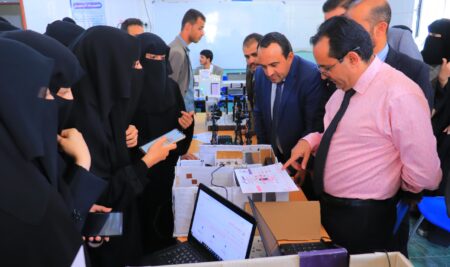
IoT Security Projects Presented by Cybersecurity Students
Academic and Teaching Staff – Cybersecurity Department
A highly qualified team of academic and administrative staff
![[ د.عادل الشميري – أستاذ مشارك هندسة حاسوب ::: نائب رئيس الجامعة للشئون الأكاديمية ]](https://msu.edu.ye/wp-content/uploads/2023/12/adel-150x150.jpg)



FAQs - Cybersecurity Specialization in Yemen
What Is Cybersecurity?
What Is Cybersecurity?
Cybersecurity is an academic and technical field focused on protecting systems, networks, devices, data, and applications from cyberattacks, security breaches, and digital threats. The field aims to prepare qualified professionals who can identify security vulnerabilities, analyze cyber threats, prevent security incidents, respond effectively to attacks, and investigate digital crimes.
Students enrolled in the Bachelor of Cybersecurity at Modern Specialized University study a range of fundamental and advanced areas, including network security, information security, cryptography, ethical hacking, penetration testing, malware analysis, digital forensics, cybersecurity risk management, Internet of Things (IoT) security, and artificial intelligence for cybersecurity.
The Cybersecurity program at Modern Specialized University emphasizes practical training and the integration of cybersecurity with artificial intelligence and modern computing technologies. This approach helps students develop the theoretical knowledge and practical skills required to understand, prevent, detect, and respond to increasingly sophisticated cyber threats.
The program prepares graduates for diverse career opportunities, including Cybersecurity Analyst, Security Operations Center (SOC) Analyst, Penetration Tester, Network Security Specialist, Digital Forensics Analyst, Incident Response Specialist, Information Security Auditor, and IoT Security Specialist.
Is Cybersecurity Available as a Major in Yemen?
Is Cybersecurity Available as a Major in Yemen?
Yes. Cybersecurity is available as an academic major in Yemen, including the Bachelor of Cybersecurity program at Modern Specialized University (MSU) in Sana’a.
The Bachelor of Cybersecurity at Modern Specialized University is a four-year undergraduate program designed to provide students with both theoretical knowledge and practical skills in protecting computer systems, networks, applications, data, and digital infrastructure from cyber threats and security attacks.
Students study a range of cybersecurity and computing subjects, including information security, network security, cryptography, ethical hacking, penetration testing, digital forensics, cybersecurity risk management, web application security, Internet of Things (IoT) security, and artificial intelligence for cybersecurity. The program also emphasizes programming, operating systems, databases, computer networks, and other foundational areas of computing.
The program places a strong emphasis on practical and hands-on learning, enabling students to apply their knowledge through cybersecurity laboratories, security testing, vulnerability analysis, digital forensics, and student projects. The integration of Artificial Intelligence and Cybersecurity also provides students with opportunities to explore emerging approaches to threat detection, security analysis, and intelligent cybersecurity solutions.
Graduates of the program can pursue diverse career paths in cybersecurity, network security, security operations (SOC), penetration testing, digital forensics, incident response, information security auditing, threat intelligence, IoT security, and AI-driven cybersecurity.
For students in Yemen who are interested in protecting digital systems and pursuing a career in one of the fastest-evolving areas of information technology, a Bachelor’s degree in Cybersecurity provides a specialized academic pathway that combines computing foundations, cybersecurity knowledge, and practical technical skills.
Why Choose Cybersecurity at Modern Specialized University?
Why Choose Cybersecurity at Modern Specialized University?
The Bachelor of Cybersecurity at Modern Specialized University (MSU) is an academic option for students who want to build a professional future in protecting systems, networks, applications, data, and digital infrastructure. The program combines computing foundations, advanced cybersecurity disciplines, and practical skills needed to understand and respond to evolving cyber threats.
1. A Specialized Cybersecurity Academic Program
The program provides a dedicated academic pathway focused on cybersecurity and covers key areas such as network security, cryptography, malware analysis, cybersecurity risk management, critical infrastructure protection, digital forensics, and ethical hacking. This specialized curriculum enables students to develop a strong foundation in both cybersecurity principles and their practical applications.
2. Integrating Artificial Intelligence with Cybersecurity
One of the program’s important areas of focus is the integration of Artificial Intelligence and Cybersecurity. Advanced topics are complemented by areas such as IoT security and cyber law, reflecting the growing intersection between artificial intelligence, emerging technologies, and digital security. Students can explore how AI and machine learning can support threat detection, security analysis, and intelligent cybersecurity solutions.
3. Emphasis on Practical Skills
The program goes beyond theoretical knowledge by developing practical skills in vulnerability assessment, penetration testing, security analysis, secure solution design, security monitoring, and incident response. Students have opportunities to apply their knowledge through practical projects, laboratory activities, and internship experiences, helping them connect academic learning with real-world cybersecurity challenges.
4. Study of Modern Cybersecurity Fields
Students explore a broad range of cybersecurity disciplines, including cybersecurity, information security, network security, ethical hacking, cryptography, digital forensics, Internet of Things (IoT) security, and malware analysis. This multidisciplinary approach provides students with a broad technical foundation and prepares them to pursue different cybersecurity career pathways.
5. Preparation for the Job Market
The program aims to prepare graduates with the knowledge and skills required to analyze and assess cybersecurity risks, identify vulnerabilities, develop appropriate security solutions, and contribute to strategies for preventing, detecting, and responding to cyber incidents. The combination of computing fundamentals, specialized cybersecurity knowledge, and practical training helps students prepare for the evolving requirements of the cybersecurity sector.
6. Diverse Career Opportunities
Graduates can pursue a variety of professional pathways, including Cybersecurity Analyst, Penetration Tester, Information Technology Security Auditor, Digital Forensics Examiner, IoT Security Specialist, Cryptography Specialist, Network Security Specialist, Security Operations Center (SOC) Analyst, and Incident Response Specialist. Additional opportunities may be available in cybersecurity training, academic research, technology companies, financial institutions, government organizations, and other sectors that depend on secure digital systems.
7. Developing Critical Thinking and Problem-Solving Skills
The program emphasizes critical thinking, complex problem-solving, teamwork, professional communication, and continuous learning, which are essential skills in the rapidly evolving cybersecurity field. Students are also introduced to the legal and ethical responsibilities associated with cybersecurity, helping them understand the importance of responsible security practices, data protection, privacy, and professional conduct.
Overall, the Bachelor of Cybersecurity at Modern Specialized University combines academic foundations, specialized cybersecurity knowledge, practical training, and emerging technologies such as artificial intelligence to help students develop the competencies needed to pursue careers in cybersecurity and contribute to protecting digital systems and infrastructure.
Does Cybersecurity Require Mathematics?
Does Cybersecurity Require Mathematics?
Yes, Cybersecurity requires a good foundation in mathematics, particularly in areas such as cryptography, data analysis, probability and statistics, and artificial intelligence. However, students do not need to be mathematics specialists to succeed in a Cybersecurity degree.
Mathematics helps cybersecurity students understand important concepts related to encryption, statistical analysis, risk assessment, algorithms, data interpretation, and AI-based security applications. The level of mathematics required varies depending on the cybersecurity specialization and the type of professional work the graduate pursues.
Success in Cybersecurity also depends on other important skills, including programming, computer networks, logical thinking, analytical skills, problem-solving, and attention to detail. Students can gradually develop these skills throughout their academic studies through theoretical courses, laboratory training, practical projects, and cybersecurity applications.
Therefore, students who have a reasonable foundation in mathematics and an interest in computers, technology, problem-solving, and cybersecurity can successfully study the field and develop the technical competencies needed for a career in cybersecurity.
What Do Cybersecurity Students Study?
What Do Cybersecurity Students Study?
Students enrolled in a Bachelor of Cybersecurity study an integrated range of academic disciplines and practical skills that prepare them to protect systems, networks, data, and applications from cyberattacks and digital threats. Cybersecurity is not limited to penetration testing; rather, it combines computer science, networking, programming, information security, cryptography, digital forensics, artificial intelligence, and cybersecurity risk management.
Key Subjects and Areas of Study
| Field | Examples of Topics |
|---|---|
| 💻 Computer Science | Computing fundamentals, programming, data structures, and algorithms |
| 🌐 Computer Networks | Computer networks, network protocols, and network security |
| 🖥️ Operating Systems | Windows and Linux, system administration, and system protection |
| 🔐 Information Security | Confidentiality, integrity, availability, and security policies |
| 🛡️ Network Security | Firewalls, intrusion detection systems, and network protection |
| 🔑 Cryptography | Symmetric and asymmetric encryption, hashing, and key management |
| 🕵️ Ethical Hacking | Vulnerability discovery, penetration testing, and security assessment |
| 🦠 Malware Analysis | Malware analysis, propagation methods, and understanding its impact |
| 🔎 Digital Forensics | Digital evidence collection, forensic analysis, and incident investigation |
| 🚨 Incident Response | Attack detection, incident analysis, containment, and recovery |
| ☁️ Modern Systems Security | Cloud computing security and distributed systems security |
| 📡 Internet of Things (IoT) Security | Protecting smart devices and connected systems |
| 🤖 Artificial Intelligence and Cybersecurity | Using AI and machine learning to detect and analyze cyber threats |
| ⚖️ Cyber Law and Ethics | Cybercrime, privacy, legal requirements, and ethical considerations |
| 📊 Cybersecurity Risk Management | Risk assessment, security management, and compliance |
| 🎓 Graduation Project | A practical project addressing a real-world cybersecurity problem |
What Practical Skills Do Students Learn?
In addition to theoretical knowledge, students develop practical skills in:
Analyzing security vulnerabilities.
Detecting cyber threats and attacks.
Securing networks and computer systems.
Using cybersecurity testing and assessment tools.
Analyzing malware and understanding malicious behavior.
Investigating cybersecurity incidents and digital crimes.
Designing security solutions for systems and applications.
Applying artificial intelligence techniques to cybersecurity.
Assessing and managing cybersecurity risks.
Preparing professional security reports.
Working effectively within specialized cybersecurity teams.
The Bachelor of Cybersecurity at Modern Specialized University is distinguished by its broad coverage of core and emerging cybersecurity areas, including network security, cryptography, malware analysis, cybersecurity risk management, digital forensics, ethical hacking, Internet of Things (IoT) security, and Artificial Intelligence for Cybersecurity. This multidisciplinary approach helps students build a strong foundation in computing and cybersecurity while developing practical competencies relevant to the evolving cybersecurity profession.
Is Cybersecurity Difficult or Easy?
Is Cybersecurity Difficult or Easy?
Cybersecurity is not an easy field, but it is not a field that students cannot master. With an interest in technology, a willingness to learn, and consistent practice, students can gradually develop the knowledge and skills required to succeed. The level of difficulty largely depends on the specialization a student chooses, as well as their background in programming, computer networks, mathematics, and logical problem-solving.
Why Can Cybersecurity Seem Difficult?
Cybersecurity can seem challenging because students work across a wide range of technical disciplines, including:
Programming and writing and understanding code.
Computer Networks and communication protocols.
Operating Systems, particularly Linux-based environments.
Cryptography and its underlying mathematical concepts.
Network and Systems Security.
Penetration Testing and vulnerability discovery.
Malware Analysis.
Digital Forensics.
Artificial Intelligence and Machine Learning for Cybersecurity.
Cybersecurity Risk Analysis and Incident Response.
However, students do not need to master all of these areas from the first day. A well-structured academic program builds knowledge progressively, starting with fundamental computing concepts and gradually introducing more advanced cybersecurity topics.
What Helps You Succeed in Cybersecurity?
If you have the following qualities, you may find Cybersecurity to be a suitable field for you:
💻 Interest in Technology: Enjoying computers, digital systems, and emerging technologies.
🧠 Logical Thinking: Being able to analyze problems, identify their causes, and develop appropriate solutions.
🔎 Curiosity and Exploration: Wanting to understand how systems work, how vulnerabilities arise, and how systems can be protected.
📚 Continuous Learning: Cybersecurity evolves constantly, so professionals need to keep up with new technologies, vulnerabilities, attack techniques, and security practices.
🛠️ Practical Training: Hands-on practice in programming, networking, operating systems, and security is often more valuable than relying on memorization alone.
Does Cybersecurity Require Mathematics and Programming?
Yes, but to varying degrees depending on the area of cybersecurity. Students need a good foundation in mathematics, particularly when studying topics such as cryptography, data analysis, probability and statistics, and artificial intelligence. Programming is also important for understanding applications and systems, analyzing code, automating security tasks, and identifying potential vulnerabilities.
However, you do not need to be a mathematics or programming expert to begin studying Cybersecurity. These skills can be developed progressively throughout the degree through academic courses, laboratory activities, practical projects, and continuous practice.
Is Cybersecurity More Difficult Than Other Computer Science Fields?
There is no single answer. Cybersecurity is a multidisciplinary field that combines programming, computer networks, operating systems, information security, analysis, and risk management. As a result, it may seem broad and challenging at first, but this diversity also gives students a wide range of professional and specialization opportunities after graduation.
At Modern Specialized University, the four-year Bachelor of Cybersecurity program covers areas such as network security, cryptography, ethical hacking, digital forensics, malware analysis, Internet of Things (IoT) security, and Artificial Intelligence for Cybersecurity. The program is designed to develop students’ knowledge progressively, from computing foundations to specialized cybersecurity concepts and practical applications.
Conclusion
Is Cybersecurity difficult?
Cybersecurity can be considered a moderately to highly challenging technical field, but it is learnable and achievable with consistent practice and hands-on training. Success in Cybersecurity does not depend on intelligence alone; it also requires an interest in technology, logical thinking, patience, continuous practice, and a commitment to lifelong learning.
Students who begin developing their programming, networking, and operating system skills early can find it easier to progress toward advanced cybersecurity topics and build the technical foundation needed for a successful cybersecurity career.
Does Cybersecurity Have a Future?
Does Cybersecurity Have a Future?
Yes. Cybersecurity has a strong and growing future because reliance on digital systems, artificial intelligence, cloud computing, and the Internet of Things (IoT) continues to expand. At the same time, cyberattacks and digital threats are becoming more sophisticated. As a result, protecting data, systems, networks, and digital infrastructure has become an essential priority for both government and private organizations.
Why Is the Demand for Cybersecurity Increasing?
Several factors are supporting the continued growth and importance of the cybersecurity field:
The expansion of digital transformation and the increasing reliance of organizations on electronic systems and digital services.
The growing number of cyberattacks and the increasing sophistication of hacking, fraud, and other digital threats.
The widespread adoption of cloud computing and the growing need to protect cloud-based systems, applications, and data.
The rapid expansion of the Internet of Things (IoT) and the increasing use of connected devices and smart systems.
The growth of artificial intelligence (AI) and its use in both cybersecurity defense and cyberattacks, creating new security challenges as well as new opportunities for intelligent protection.
Growing concerns about data privacy and protection, particularly as organizations collect and process increasing amounts of sensitive information.
The increasing need for cybersecurity professionals who can manage security risks, respond to incidents, assess vulnerabilities, and support security governance and compliance.
The Future of Cybersecurity Careers
The future of cybersecurity is closely connected to the continued digital transformation of organizations and economies. As more services, businesses, and critical infrastructure become digitally connected, organizations will continue to need professionals who can identify vulnerabilities, protect systems, investigate security incidents, and respond effectively to emerging threats.
For students interested in technology, problem-solving, networks, programming, artificial intelligence, and digital security, cybersecurity can provide a strong foundation for a wide range of technology careers.
Does Cybersecurity Have a Future in Yemen?
Does Cybersecurity Have a Future in Yemen?
Yes. Cybersecurity has a promising future in Yemen, and its importance may be greater than that of many other technology fields. However, it is important to distinguish between the long-term future of cybersecurity as an academic and professional field and the current size of the local cybersecurity job market.
Why Does Cybersecurity Have a Strong Future in Yemen?
1. Yemen Is Moving Toward Digital Transformation
Yemen’s Ministry of Communications and Information Technology announced in March 2025 a strategic direction to support digital transformation in Yemen. This direction includes developing digital infrastructure, building a digital economy, strengthening the national cybersecurity ecosystem, and developing specialized human resources.
This is particularly important because when digital transformation becomes a national priority, protecting digital systems, networks, and data becomes an essential part of that transformation.
2. The Need for Specialized Cybersecurity Professionals Remains Significant
The Ministry of Communications and Information Technology has identified several cybersecurity priorities, including protecting information infrastructure, responding to cyberattacks and cybersecurity incidents, promoting cybersecurity awareness, and developing national cybersecurity capabilities.
In addition, Yemen’s First National Cybersecurity Conference highlighted the importance of developing a national cybersecurity strategy and training qualified national professionals capable of addressing the risks associated with cyberattacks and emerging digital threats.
3. The Financial and Banking Sector Is Moving Toward Digitalization
There are ongoing efforts to develop digital payment and financial infrastructure in Yemen, including fast payment systems, real-time gross settlement, and the modernization of banking systems. This increases the importance of cybersecurity, secure financial transactions, data protection, and risk management within the banking and financial sector.
Recent Yemeni academic research published in 2026 has also examined the impact of FinTech technologies—including artificial intelligence, big data, cloud computing, and blockchain—on cybersecurity risks in Yemeni banks.
What Does This Mean for Cybersecurity Students in Yemen?
The future of cybersecurity in Yemen is closely connected to the country’s digital transformation, the modernization of financial services, the protection of information infrastructure, and the increasing use of emerging technologies.
As organizations in Yemen adopt more digital systems and services, they will need professionals who can protect networks and information systems, assess vulnerabilities, respond to cybersecurity incidents, manage security risks, conduct digital investigations, and protect digital infrastructure.
For students interested in technology, networks, programming, artificial intelligence, and digital security, studying cybersecurity can provide a strong academic foundation for participating in Yemen’s developing digital economy.
Therefore, while the current cybersecurity job market in Yemen may still be developing, the long-term need for cybersecurity knowledge, skills, and qualified professionals is expected to grow as digital transformation continues.
Is Cybersecurity Suitable for Girls in Yemen?
Is Cybersecurity Suitable for Girls in Yemen?
Yes. Cybersecurity is highly suitable for girls and women in Yemen, and there is nothing inherent in the field that makes it limited to men. Cybersecurity is a knowledge- and skill-based discipline that depends on analytical thinking, problem-solving, technical skills, continuous learning, and attention to detail.
Women can pursue cybersecurity alongside other technology fields and build careers in areas such as cybersecurity analysis, network security, ethical hacking, digital forensics, incident response, information security, cloud security, risk management, cybersecurity governance, and AI-driven cybersecurity.
The participation of women in technology and digital security is also increasingly important. In Yemen, recent initiatives supported by international organizations have included Yemeni women in digital skills training, technology programs, and digital entrepreneurship, while broader efforts continue to promote digital skills and digital employment opportunities for women.
Why Can Cybersecurity Be a Good Choice for Girls?
Cybersecurity offers diverse career paths, many of which rely primarily on technical knowledge, analytical abilities, and problem-solving skills rather than physical work. Students can also develop specialized expertise in areas such as security analysis, digital forensics, security operations, programming, vulnerability assessment, and cybersecurity management.
At the Modern Specialized University, female students can study cybersecurity within a structured academic environment that combines theoretical foundations with practical and modern cybersecurity skills, including network security, ethical hacking, digital forensics, IoT security, and artificial intelligence for cybersecurity.
Therefore, cybersecurity can be an excellent academic and career choice for girls in Yemen who are interested in technology, digital security, programming, analysis, and solving complex problems.
What Is the Difference Between Cybersecurity and Information Technology (IT)?
What Is the Difference Between Cybersecurity and Information Technology (IT)?
Cybersecurity and Information Technology (IT) are closely related fields, but each has a different primary focus.
Simply put:
Information Technology focuses on operating, managing, and supporting technology, while cybersecurity focuses on protecting that technology from threats and cyberattacks.
Direct Comparison: Cybersecurity vs. Information Technology
| Aspect | Cybersecurity 🛡️ | Information Technology (IT) 💻 |
|---|---|---|
| Primary Goal | Protect systems, networks, applications, and data | Operate and manage IT systems and technologies |
| Main Focus | Security, protection, threat detection, and risk management | Infrastructure, technical support, systems, and IT services |
| Networking | Securing networks and monitoring for threats | Designing, managing, and operating networks |
| Programming | Used to understand vulnerabilities and develop security tools | Used to develop, manage, and support applications and systems |
| Operating Systems | Analyzing, securing, and identifying vulnerabilities | Installing, managing, configuring, and maintaining systems |
| Cryptography | An important area for protecting data and communications | May be studied to a lesser extent depending on the program |
| Penetration Testing | A core cybersecurity specialization | Not usually a primary focus |
| Digital Forensics | A specialized cybersecurity field | Usually not a core IT specialization |
| Incident Response | A key cybersecurity function | May be involved in system and infrastructure management |
| Security Risk Management | An important area of cybersecurity | May be a secondary responsibility depending on the role |
| Artificial Intelligence (AI) | Used to detect, analyze, and respond to cyber threats | Used for automation, data analysis, and improving IT services |
| Typical Careers | Cybersecurity Analyst, SOC Analyst, Penetration Tester, Incident Response Analyst | Network Administrator, Systems Administrator, IT Support Specialist, IT Manager |
| Nature of Work | Defense, analysis, investigation, testing, and protection | Operations, management, maintenance, and technical support |
Which Major Should You Choose?
If you are interested in operating, managing, and supporting technology systems, Information Technology may be a suitable choice for you.
However, if you want to specialize in protecting technology, detecting cyberattacks and vulnerabilities, investigating digital incidents, and managing cybersecurity risks, then Cybersecurity is the more specialized choice.
Although the two fields overlap in areas such as networking, operating systems, programming, and computing fundamentals, cybersecurity places a much stronger emphasis on security, threat detection, ethical hacking, digital forensics, incident response, cryptography, and risk management.
For students who are particularly interested in cyber defense, ethical hacking, digital investigations, and AI-driven security, a Bachelor’s degree in Cybersecurity can provide a more focused academic pathway than a general IT program.
What Is the Difference Between Cybersecurity and Artificial Intelligence?
What Is the Difference Between Cybersecurity and Artificial Intelligence?
Cybersecurity and Artificial Intelligence (AI) are different academic and technical fields, but they increasingly overlap in modern technology.
Simply put:
🛡️ Cybersecurity focuses on protecting systems, networks, and data from cyberattacks and digital threats, while 🤖 Artificial Intelligence focuses on developing systems that can learn, analyze information, make predictions, support decision-making, and perform intelligent tasks.
Direct Comparison: Cybersecurity vs. Artificial Intelligence
| Aspect | Cybersecurity 🛡️ | Artificial Intelligence 🤖 |
|---|---|---|
| Primary Goal | Protect systems, networks, applications, and data | Build intelligent systems that can learn, analyze, and make predictions |
| Main Question | How can we protect the system? | How can we make a system learn and make intelligent decisions? |
| Main Focus | Threats, vulnerabilities, attacks, and security | Data, algorithms, machine learning, and intelligent systems |
| Programming | Important for understanding systems and vulnerabilities and developing security tools | Essential for developing AI models and intelligent applications |
| Networking | Very important | Not usually the primary focus |
| Cryptography | A core area of cybersecurity | May be used in specific applications |
| Penetration Testing | A major cybersecurity specialization | Not a core AI field |
| Machine Learning | Used to detect and analyze cyber threats | One of the major components of AI |
| Data Analysis | Used to analyze security events, vulnerabilities, and threats | Used to analyze data and train AI models |
| Mathematics | Important, particularly for cryptography, statistics, and security analysis | Very important for statistics, probability, linear algebra, and machine learning |
| Professional Goal | Protect digital systems and information | Develop intelligent systems and AI-based solutions |
| Examples of Careers | Cybersecurity Analyst, Penetration Tester, SOC Analyst, Security Engineer | AI Engineer, Machine Learning Engineer, Data Scientist |
| Shared Emerging Field | AI Security and AI-driven Cybersecurity | AI for Cybersecurity |
How Are Cybersecurity and AI Connected?
Cybersecurity focuses on protecting systems, networks, and data from cyberattacks and digital threats, while AI focuses on developing systems capable of learning, analyzing data, recognizing patterns, making predictions, and supporting intelligent decision-making.
Although the two disciplines have different primary objectives, their connection is becoming increasingly important. Artificial intelligence can be used to detect and analyze cyber threats, identify unusual behavior, automate security monitoring, and support incident response.
At the same time, AI systems themselves need to be protected against attacks, manipulation, data poisoning, model exploitation, and other emerging threats. This has contributed to the development of advanced areas such as AI Security and AI for Cybersecurity.
Which Major Is Right for You?
If you are interested in protecting systems, detecting vulnerabilities, ethical hacking, digital forensics, incident response, and cyber defense, Cybersecurity may be the more suitable major.
If you are interested in programming, mathematics, data analysis, machine learning, computer vision, natural language processing, and developing intelligent applications, Artificial Intelligence may be a better fit.
However, the two fields are increasingly interconnected. Students who understand both AI and Cybersecurity can develop valuable skills for emerging areas such as AI-driven threat detection, machine learning security, adversarial AI, AI Security, and intelligent cyber defense.
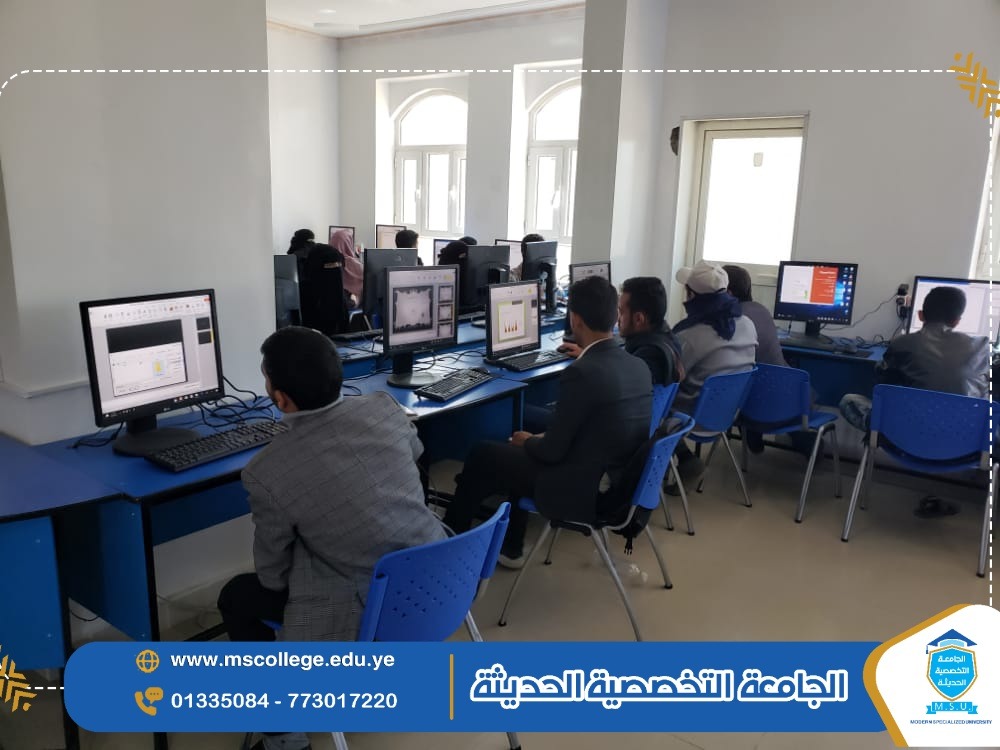
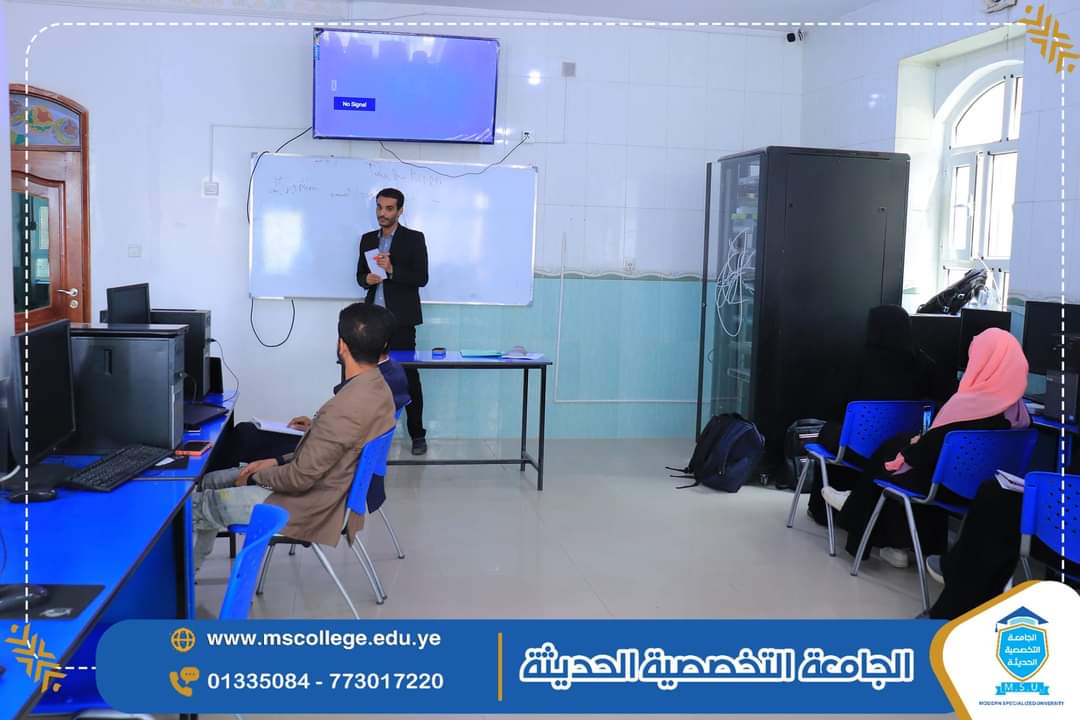
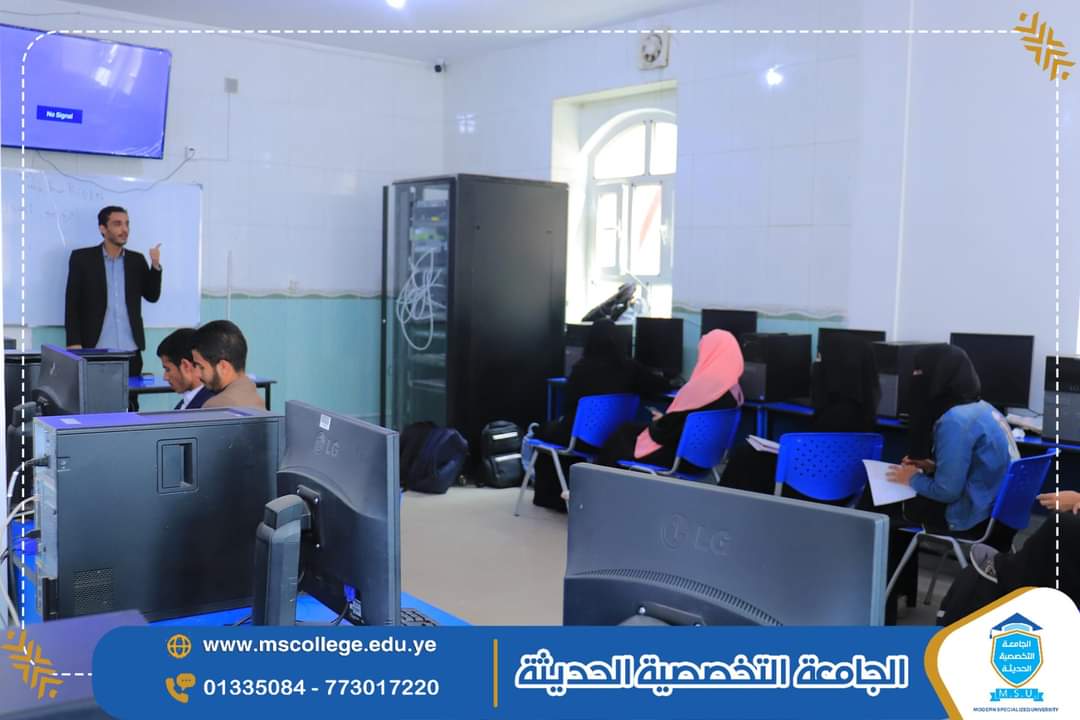
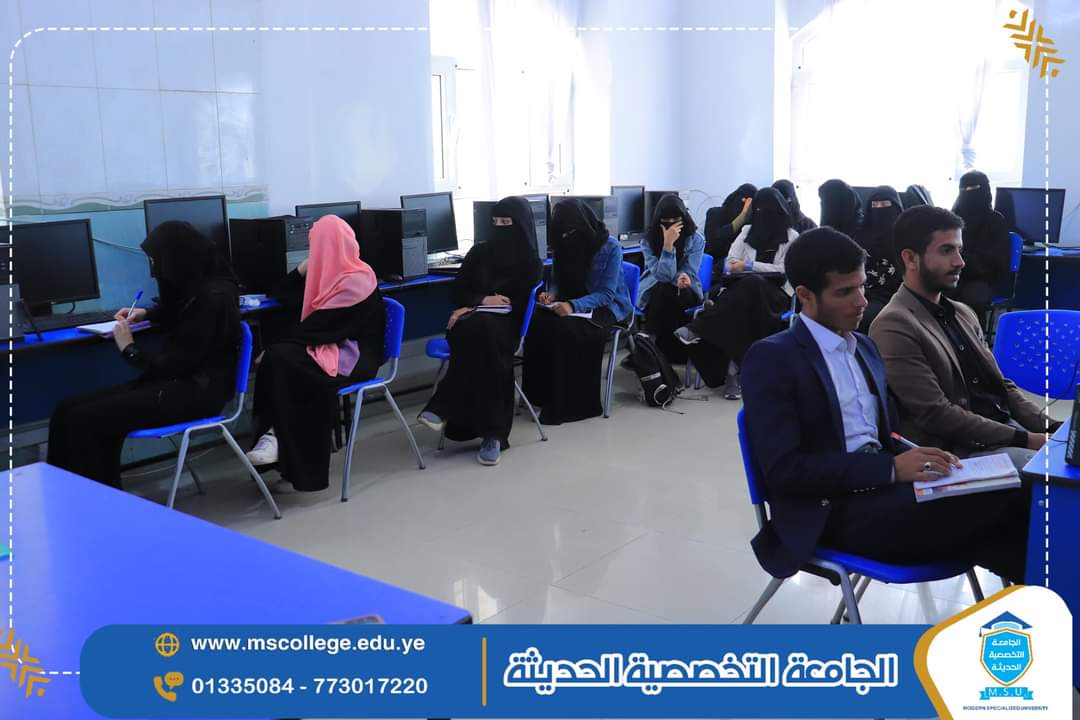
Cybersecurity Program - Laboratories and devices