Bachelor of Clinical Pharmacy - College of Medical Sciences
Bachelor of Clinical Pharmacy is one of the programs of the College of Medical Sciences at the Modern Specialized University and is an excellent field that grants a bachelor’s degree, that focuses on the study of pharmacy and its clinical applications. This degree program is designed to provide students with the knowledge and skills necessary to become licensed pharmacists and work in a variety of healthcare settings.
In general, the study phase of the clinical pharmacy major includes the following:
- Basic subjects such as: Human anatomy and physiology, Biochemistry and molecular biology, General and organic chemistry, Microbiology and immunology, Basic pharmacology (drug actions and mechanisms).
Specialized subjects such as: Basics of drug formulation (pharmaceutics), Advanced pharmacology, Pharmacokinetics and pharmacodynamics, Medicinal chemistry, Toxicology, Pathophysiology of diseases, Pharmacotherapy, Clinical pharmacokinetics.
Clinical skills developments such as: Hospital or community pharmacy placements, Shadowing pharmacists in specialties like oncology, pediatrics, or critical care, Patient counseling, medication reconciliation, and medication therapy management (MTM), Case-based learning to solve real-world therapeutic problems, Interprofessional education.
Intership and Advanced training such as: Clinical decision-making in complex cases (e.g., geriatrics, ICU), Pharmacoeconomics and health policy, Drug information and literature evaluation.
In addition to approach ensures graduates are prepared for direct patient care, medication management, and collaborative healthcare roles..
Clinical Pharmacy Program - Vision, Mission and Goals
Vision
To be a leader in providing pharmaceutical education and research that contributes to improving the health and well-being of communities.
Mission
Prepare graduates who are able to compete in national and international labor markets and entrepreneurship, and be an effective member of the medical field.
Educational Goals
The educational goals of the clinical pharmacy program are as follows:
- Providing a comprehensive pharmacy-centered education to prepare graduates for various healthcare professions.
- Conducting research that contributes to the development of pharmaceutical knowledge and practices.
- Establishing partnerships with pharmaceutical factories and companies to provide hands-on training for students.
- Participate in pharmaceutical outreach activities that promote health awareness.
- Instilling a culture of professionalism, compassion, and ethical behavior among pharmacy students and graduates.
- Providing continuing education and professional development opportunities for pharmaceutical healthcare practice.
Clinical Pharmacy Program - Learning outcomes
Graduates of the Bachelor of clinical pharmacy will have the ability to:
1. Apply fundamental knowledge and skills from the chemical, biological, biomedical, phytochemical, and behavioral sciences to develop concepts of disease, disorder, and drug therapy.
2. Relate the physical and chemical properties of drugs to their biological effect and use this knowledge in the development and formulation of drug delivery.
3. Formulate dosage forms for different drugs, analyze their formulations and evaluate their quality according to official guidelines/publications.
4. Build a patient care plan based on the patient's history, clinical condition, treatment regimen and knowledge of biochemical, microbiological, pharmacological, pharmacokinetic, pharmacodynamic, pharmacodynamic and drug safety.
5. Explain infectious and non-infectious diseases and effective ways to prevent, control and treat them, with a focus on antimicrobial resistance and viruses.
6. Apply pharmaceutical scientific knowledge to all stages of drug discovery, development and commercialization.
7. Serve as an expert and active player in the field of pharmaceutical sciences and trainer in professional development activities and in committees to develop policies and procedures for best pharmaceutical, clinical, warehousing and manufacturing practices.
8. Demonstrate the written, verbal, and digital communication skills required for interpersonal communication and collaborative professional activities to excel in the workplace.
9- Demonstrate practical skills in formulating and evaluating dosage forms.
Clinical Pharmacy Program - Career opportunities
There are many fields in which graduates in the Bachelor of Clinical Pharmacy can work, including:
1. Clinical/Hospital Pharmacy.
- Medication therapy management (MTM).
- Drug dosing adjustments (e.g., for renal/hepatic impairment).
- Collaborating with doctors/nurses on treatment plans.
- Managing drug interactions and adverse effects.
2. Community Pharmacy
- Counseling on prescriptions and OTC products.
- Vaccinations and health screenings (e.g., diabetes, hypertension).
- Promoting adherence and safe medication use.
3. Pharmaceutical Industry
- Medical Affairs: Educating healthcare providers about drugs.
- Drug Safety/Pharmacovigilance: Monitoring adverse drug reactions.
- Clinical Research: Designing and managing drug trials.
- Regulatory Affairs: Ensuring compliance with drug approval processes.
- Sales/Marketing: Promoting medications to healthcare professionals.
4. Research & Academia
- Researcher: Conducting studies on drug efficacy, safety, or outcomes.
- Academic Lecturer: Teaching pharmacy students.
- Clinical Trial Coordinator: Overseeing trials in hospitals or CROs (Contract Research Organizations).
5. Regulatory & Public Health Agencies
- Regulatory Officer: Ensuring drug safety and compliance (e.g., FDA, EMA).
- Public Health Pharmacist: Developing policies for disease prevention, vaccination programs, or antimicrobial stewardship.
- Pharmacoeconomics Expert: Analyzing cost-effectiveness of treatments.
6. Specialized Clinical Settings
- Ambulatory Care: Managing chronic diseases (e.g., diabetes, asthma) in outpatient clinics.
- Geriatric/Palliative Care: Optimizing medications for elderly or terminally ill patients.
- Psychiatric Pharmacy: Managing mental health medications.
- Oncology Pharmacy: Handling chemotherapy and supportive care.
7. Managed Care & Insurance
- Formulary management (deciding which drugs are covered).
- Reviewing medication use for cost-effectiveness.
- Prior authorization approvals.
8. Entrepreneurship
- Opening a specialty pharmacy (e.g., compounding, rare diseases).
- Founding a health tech startup (e.g., medication adherence apps).
- Consulting for healthcare organizations.
Clinical Pharmacy Program - Duration of study and study system
The duration of study is five years + Internship one Year
Acceptance rate 70%.
The study system is the semester system and each academic year consists of two semesters.
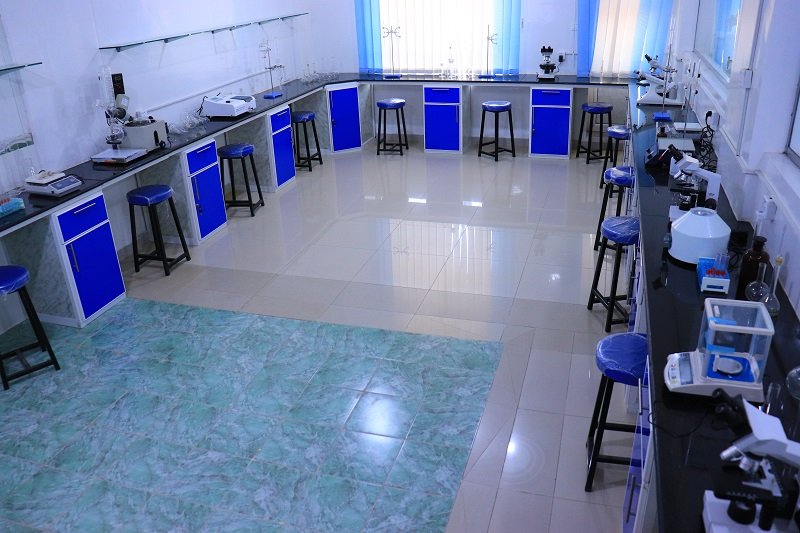
Clinical Pharmacy Program - Laboratories and devices