IoT Security Projects Presented by Cybersecurity Students
IoT Security Projects Presented by Cybersecurity Students
Wednesday, 27 Rabi’ al-Awwal 1448 AH | September 9, 2026
cybersecurity applications in Internet of Things systems
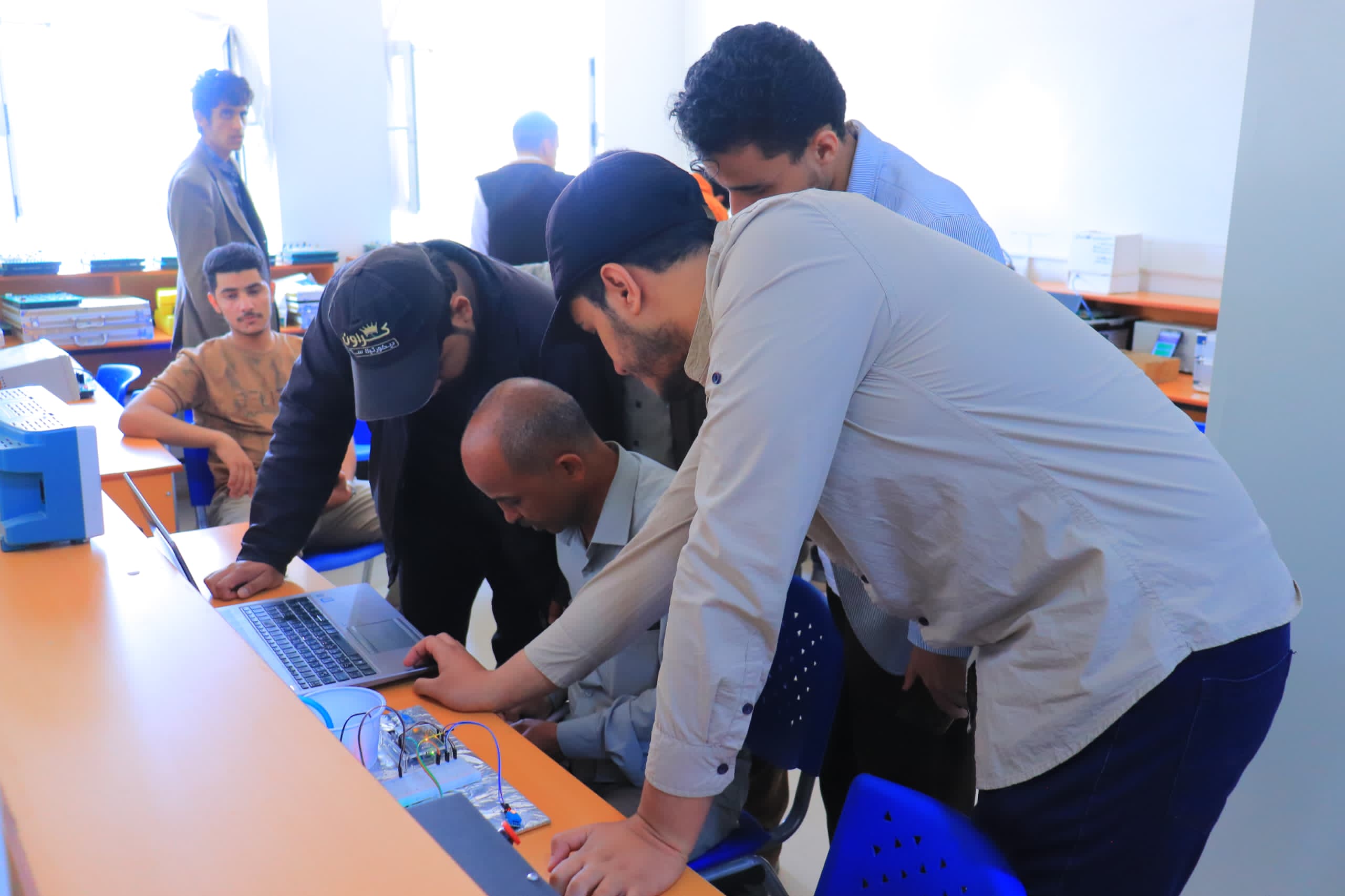
As part of its commitment to strengthening practical education and connecting academic knowledge with emerging technological challenges, Modern Specialized University witnessed the presentation and discussion of projects for the “IoT Security” course by students of the Cybersecurity Department at College of Engineering and Smart Computing.
The projects were supervised by Dr. Abdulsalam Al-Hubobi and formed part of the department’s academic activities aimed at developing students’ practical skills in designing, implementing, and securing smart systems.
The presentations also provided students with an opportunity to explore cybersecurity challenges associated with connected devices, wireless networks, control systems, sensors, and Internet of Things (IoT) technologies.
Academic Leadership Attends the Student Project Presentations
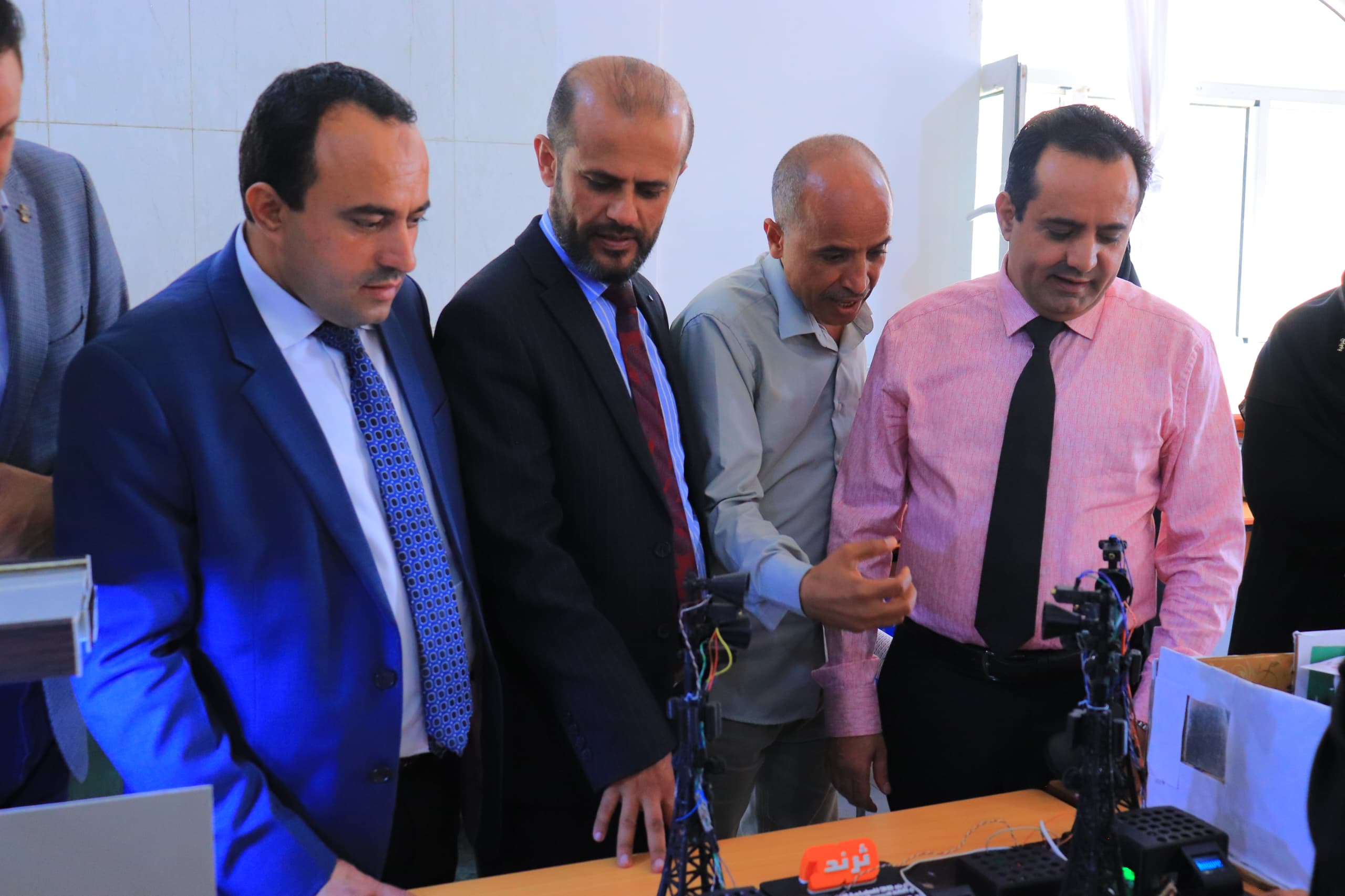
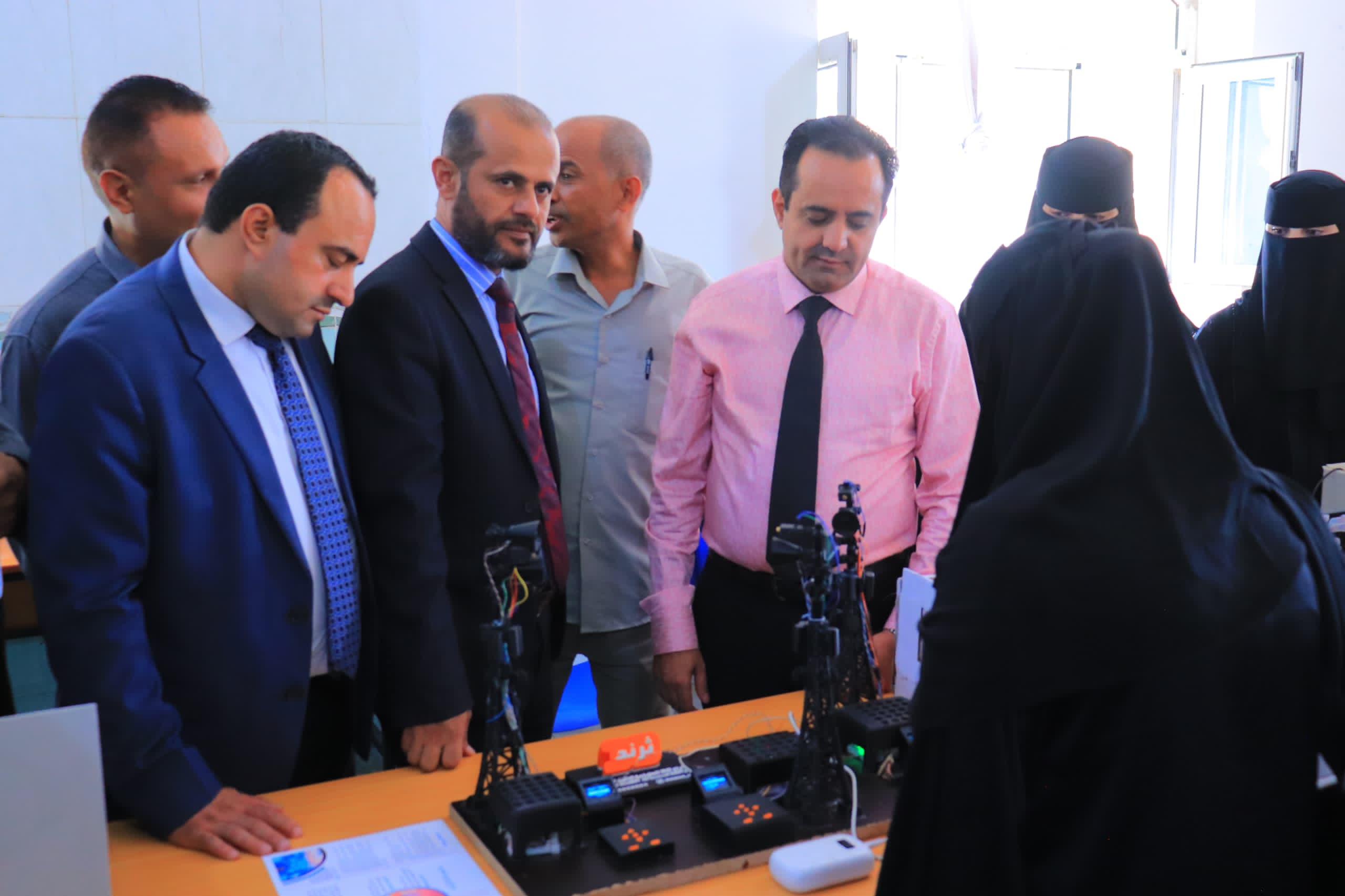
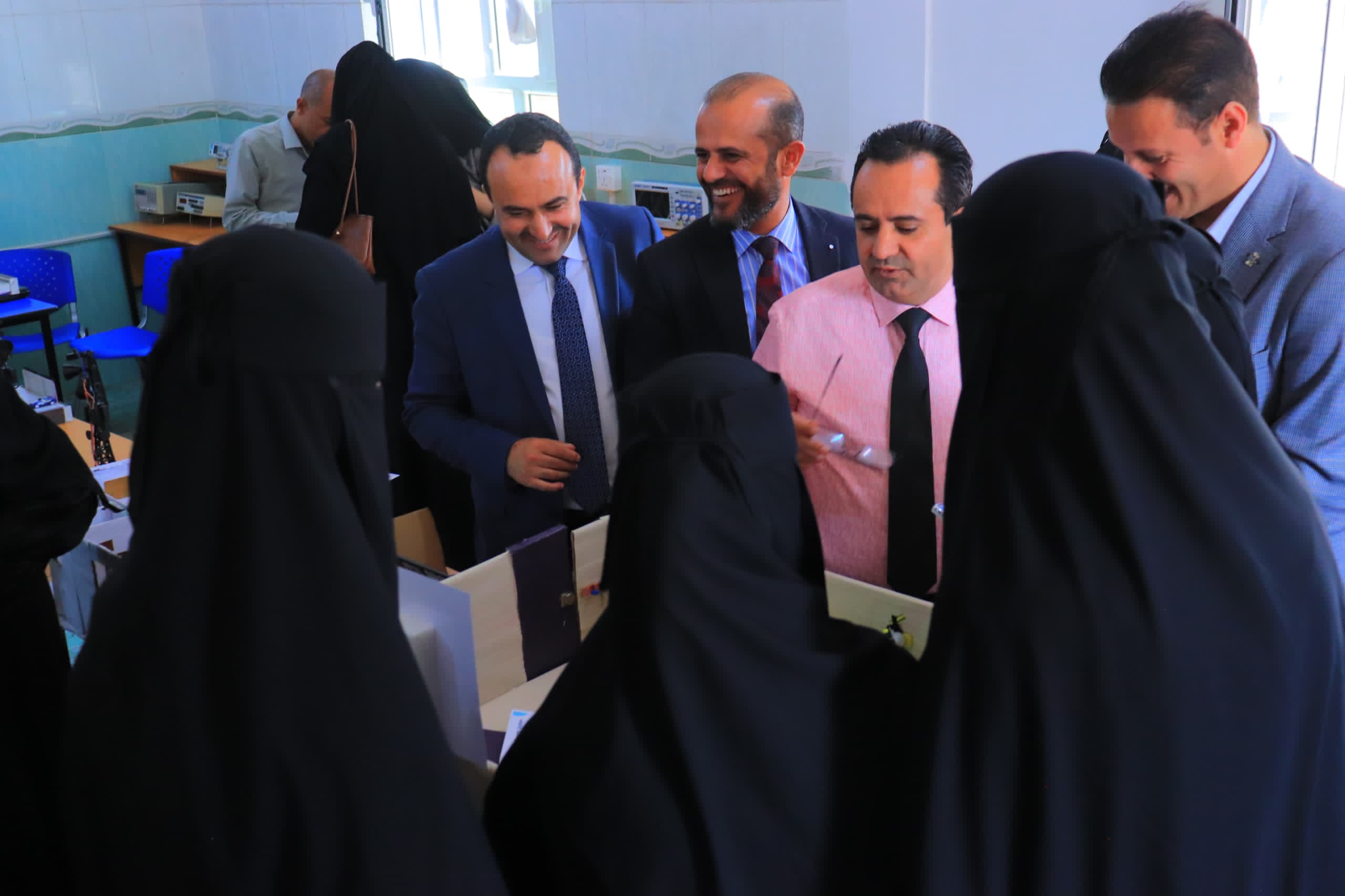
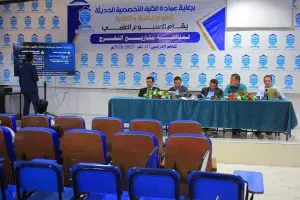
The project presentations were attended by a number of university leaders and academics, including Prof. Dr. Mujahid Al-Jabr, President of Modern Specialized University; Dr. Yahya Al-Samawi, Dean of the College of Engineering and Smart Computing; Mr. Safwan Al-Jabr, Secretary-General of the University; Dr. Hamed Taher, Head of the Biomedical Equipment Department; and Dr. Ziad Al-Bakhiti, Head of the Business Administration Department.
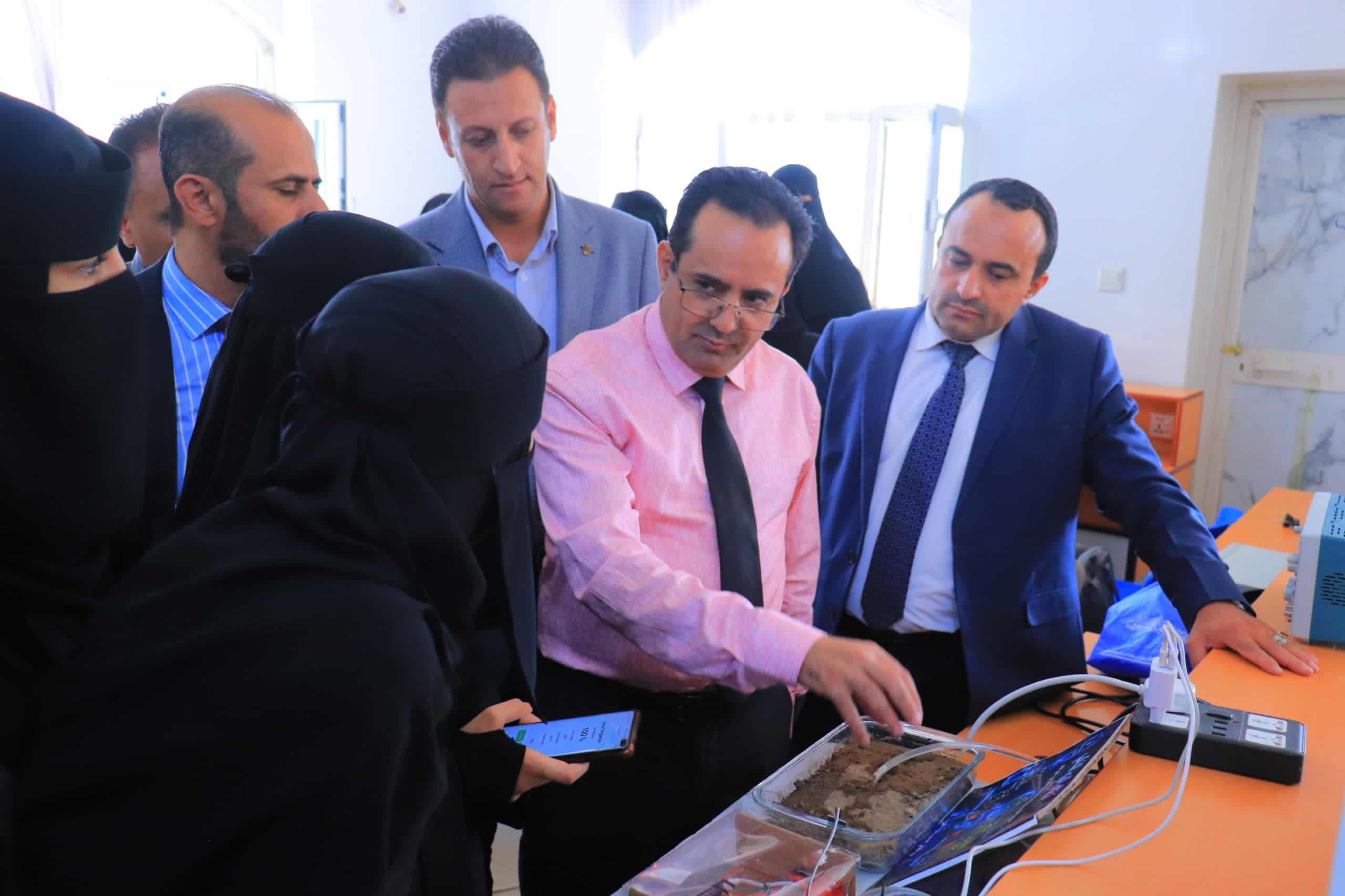
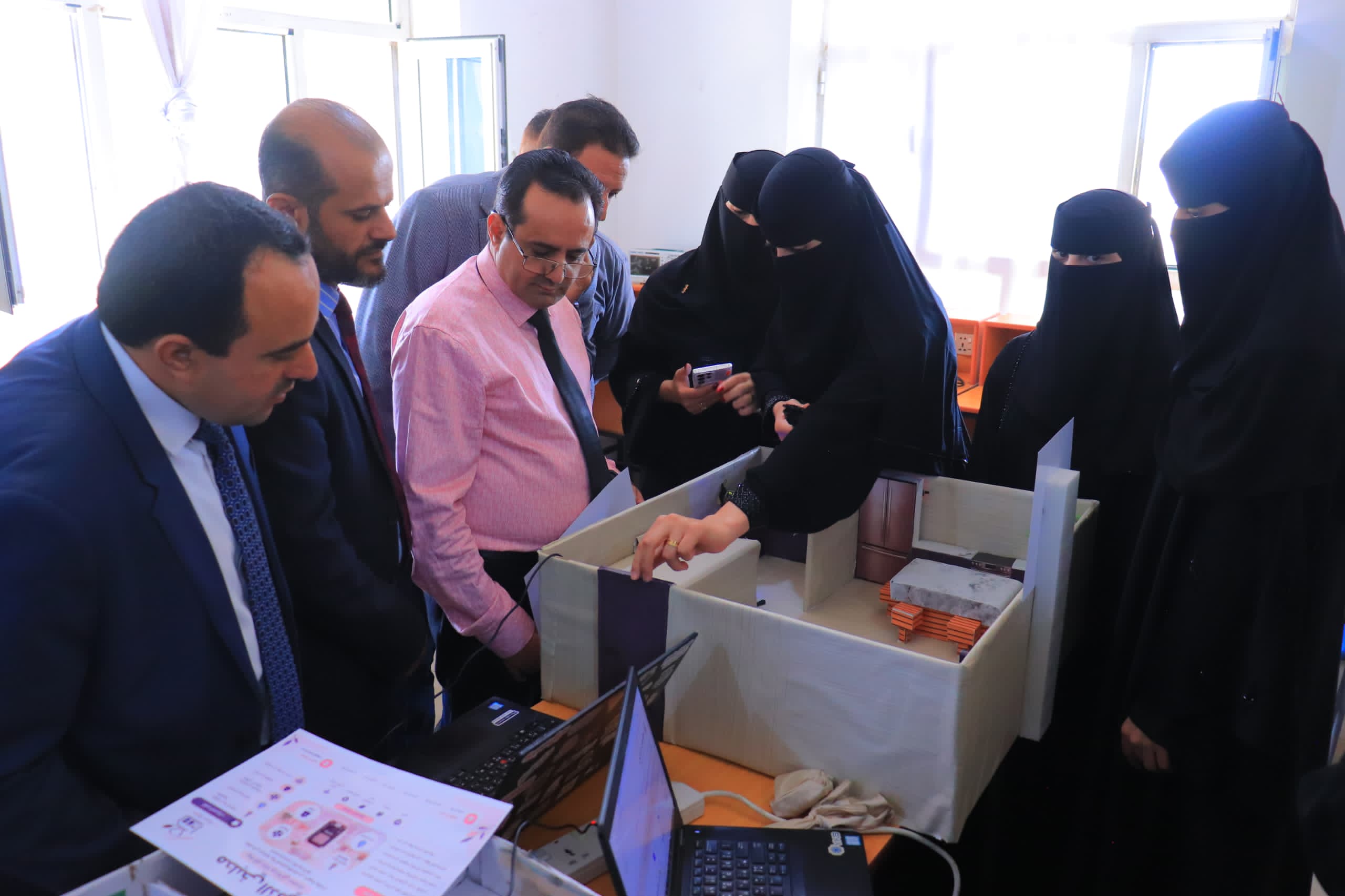
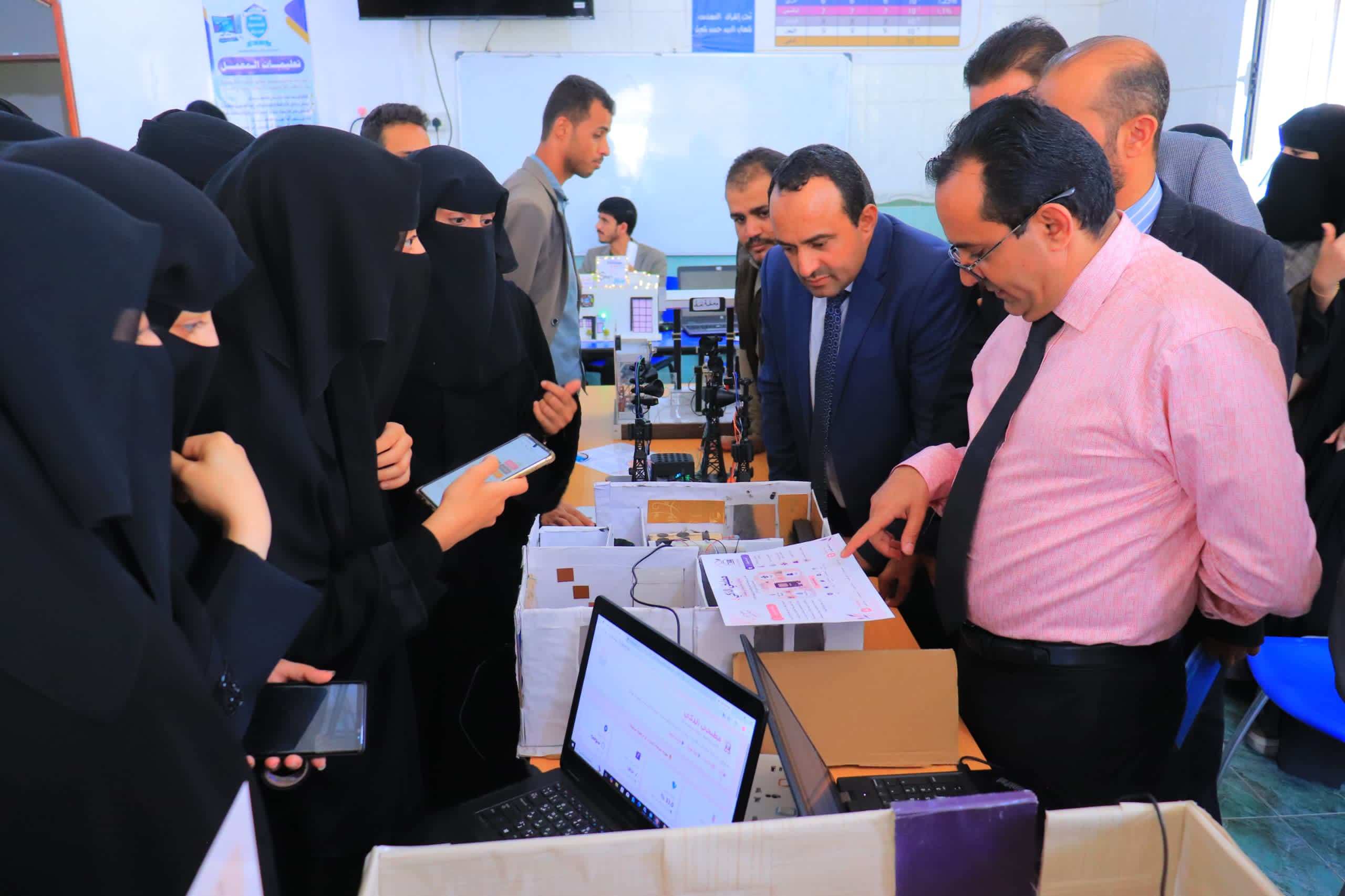
The attendees reviewed the students’ prototypes and projects and discussed their technical and cybersecurity aspects. They also praised the students’ efforts and their ability to transform theoretical concepts in IoT Security into practical and potentially scalable applications.
protecting smart devices from cyberattacks – Using ESP32 Microcontrollers
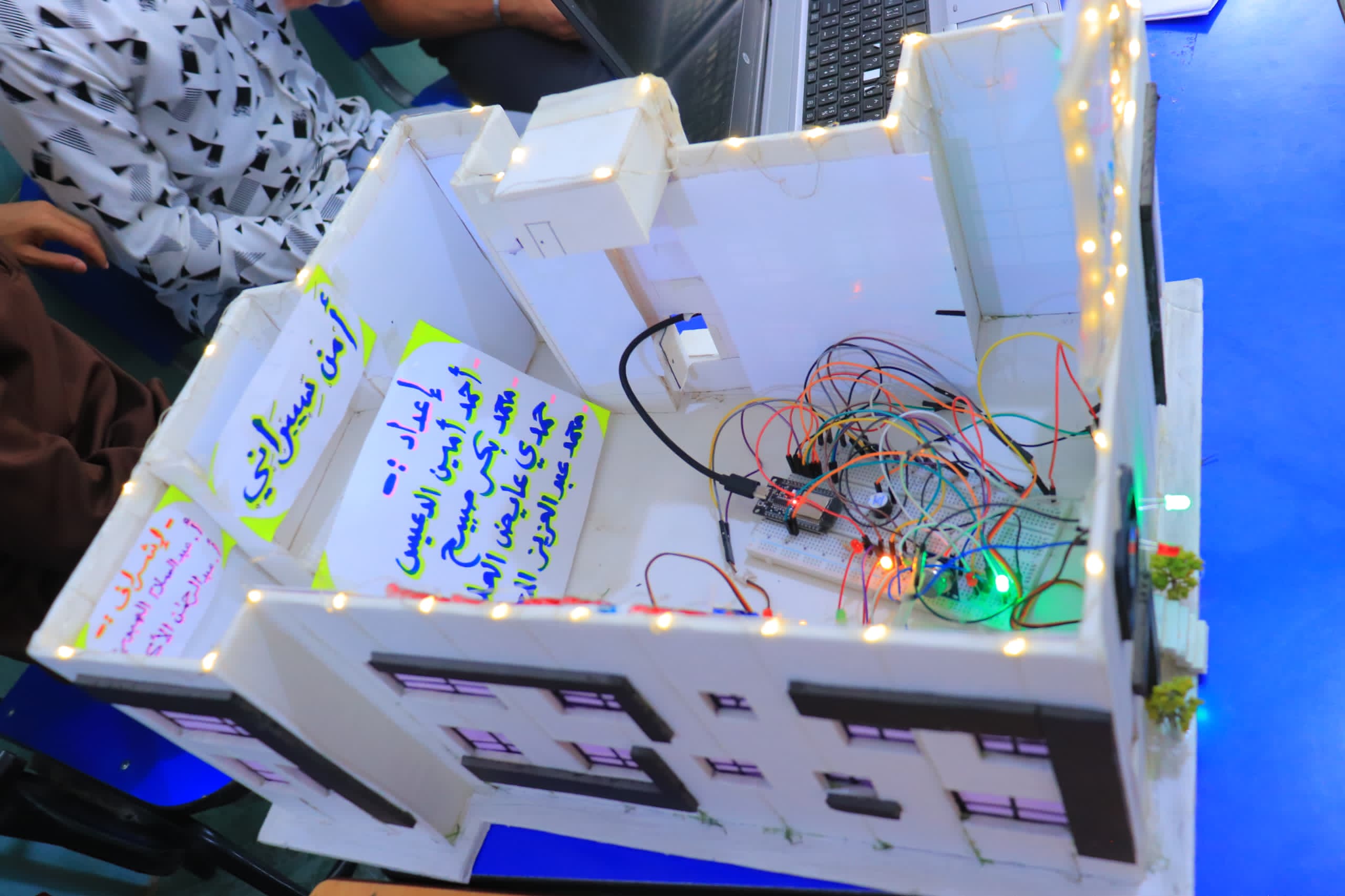
The students’ projects utilized ESP32 microcontrollers as practical platforms for developing Internet of Things prototypes and connecting sensors, control units, and wireless communication systems.
The projects addressed several important cybersecurity considerations, including data and communication protection, access control, connected-device security, and the reliability of monitoring and control systems in smart environments.
Through these applications, students gained practical experience in understanding the security requirements of IoT systems and the challenges associated with protecting connected devices and communication channels.
IoT Security projects developed by Cybersecurity students
The Cybersecurity Department students presented a diverse range of practical projects addressing real-world IoT applications. The projects included:
1. Smart Monitoring of Environmental Variables in Factories
A smart sensor-based system designed to monitor environmental conditions and variables inside industrial facilities, with a focus on securing communication channels and protecting collected data against unauthorized access or manipulation.
2. Smart Home
A practical application focused on securing connected home devices and wireless networks, demonstrating cybersecurity concepts for protecting smart-home environments against unauthorized access.
3. Smart Kitchen
A smart system demonstrating the use of IoT technologies in kitchen environments while applying security concepts to protect connected appliances and sensitive systems from unauthorized access or control.
4. Gas Flow Monitoring and Protection Against Cyberattacks
A project integrating sensing, smart monitoring, and cybersecurity concepts to monitor gas flow through pipelines while addressing potential risks that could affect digital monitoring and control systems.
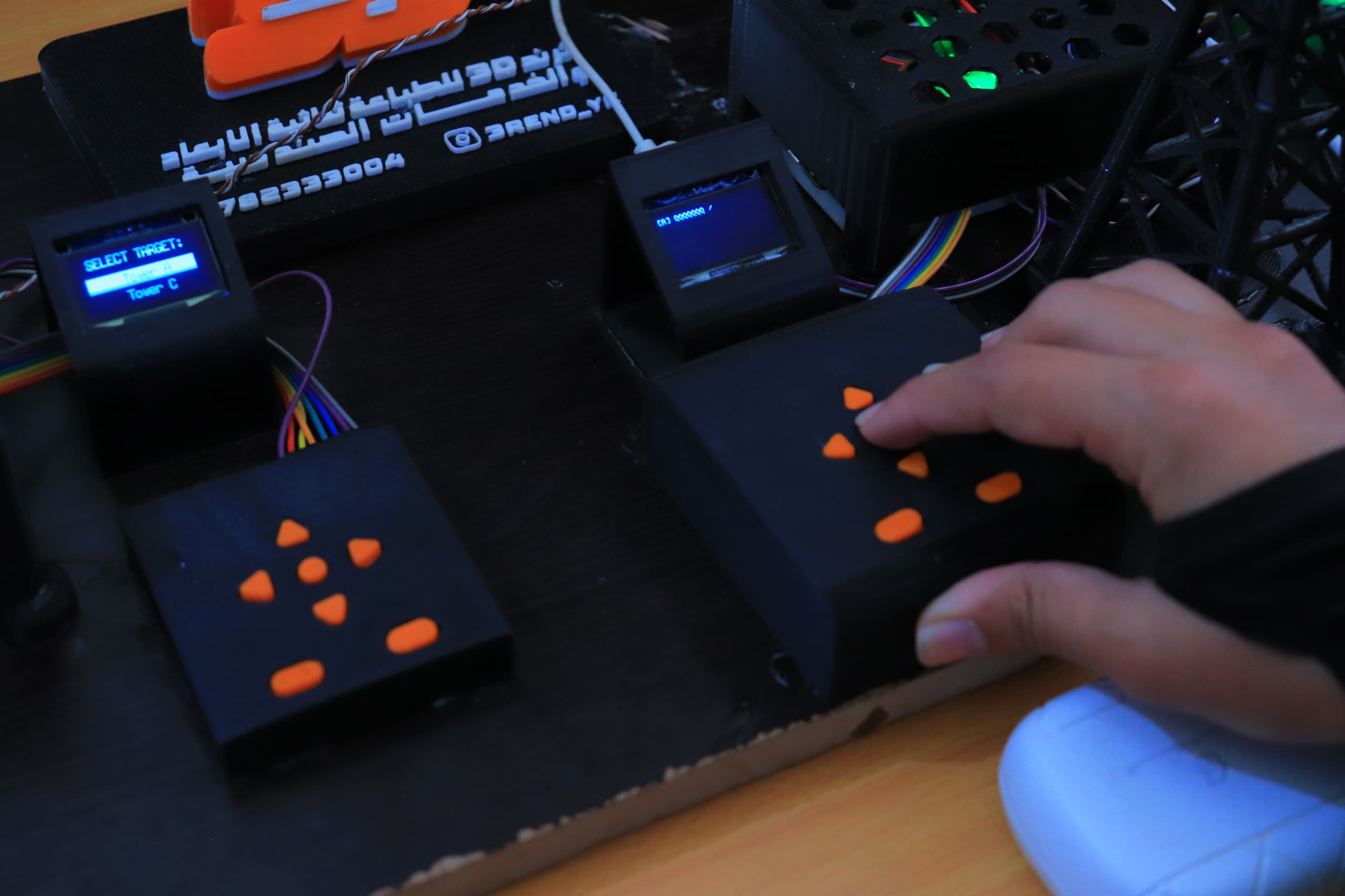
5. Wireless Communication and Data Transfer Through Towers
A project examining wireless communication, control, and data-transfer mechanisms, with particular attention to securing information and communication protocols used for long-distance transmission.
6. Smart University System
An applied IoT platform designed for university environments, supporting the monitoring and management of selected facilities, systems, and data while considering cybersecurity and information-protection requirements.
7. Smart Assistant
A local smart-assistant prototype integrating artificial intelligence technologies with security mechanisms and encryption concepts to enhance user privacy and protect exchanged data.
8. Drone
A wireless control and navigation system for an unmanned aerial vehicle (drone), incorporating cybersecurity concepts designed to protect communication and control channels against unauthorized access and manipulation.
9. Smart Farm
An IoT-based agricultural project using sensors and remote-control systems, with a focus on protecting sensing units, communication channels, and connected systems.
10. Smart Monitoring of Gas Stations
A smart monitoring system combining IoT technologies and cybersecurity concepts in a sensitive operational environment, with the aim of supporting the protection of gas stations and reducing risks associated with digital systems and connected devices.
Practical Education and Cybersecurity Skills Development
These projects reflect Modern Specialized University’s approach to combining theoretical knowledge with hands-on learning and developing students’ ability to work with emerging technologies and cybersecurity challenges.
IoT Security projects provide students with practical opportunities to understand the relationship between devices, sensors, networks, software, communication systems, and data, while identifying security risks that may arise when these components are connected through the Internet.
Such practical activities also help students develop important professional skills, including problem-solving, system design, cybersecurity analysis, teamwork, innovation, technical presentation, and project development.
Cybersecurity Students at msu yemen – Developing Innovative Solutions for Digital Security
The attendees expressed their appreciation for the students’ technical and practical capabilities, emphasizing the importance of continuing to develop academic projects and transforming innovative ideas into technological solutions that can serve industrial, agricultural, healthcare, university, communications, and critical-infrastructure applications.
The projects also highlight the growing importance of IoT Security within modern cybersecurity, particularly as smart devices, sensors, wireless networks, and connected systems continue to expand across different sectors.
Modern Specialized University continues to support an educational environment that promotes innovation, research, development, and practical projects, contributing to the preparation of specialized graduates capable of addressing digital-transformation and cybersecurity challenges and developing technology-driven solutions that support society and strengthen digital security.